














How to Identify Proper Zabiha Meat

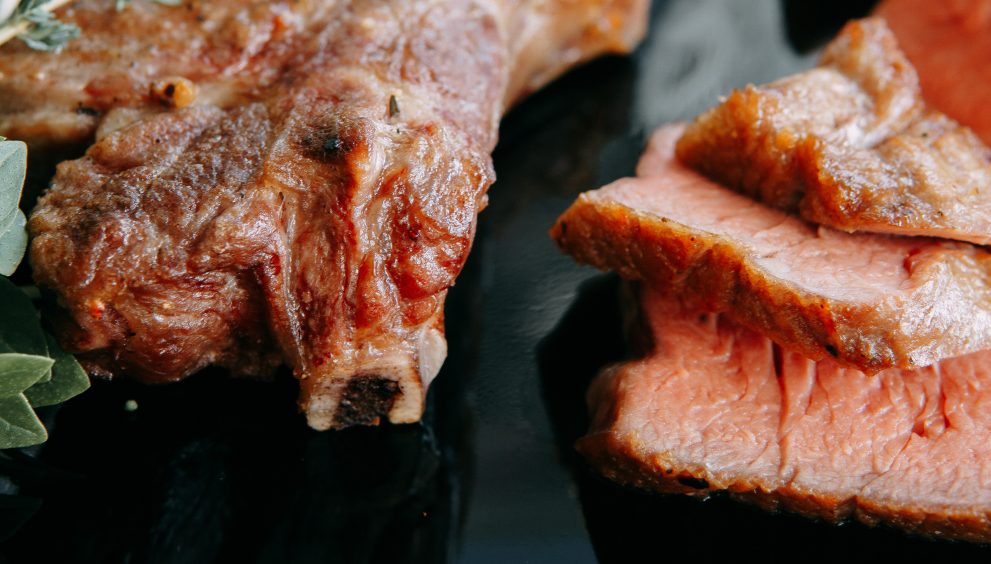
With the growing availability of halal-labeled products in markets worldwide, many consumers assume that all “halal” meat is the same. However, this is not always true. Proper Zabiha meat follows strict Islamic guidelines that go beyond labels and packaging. Understanding how to identify authentic Zabiha meat is essential for Muslims who want to ensure religious compliance, as well as for consumers who value ethical, clean, and high-quality food.
This guide explains what Zabiha meat truly is and provides practical steps to help you confidently identify properly slaughtered Zabiha meat.
1. Understand What Zabiha Truly Means
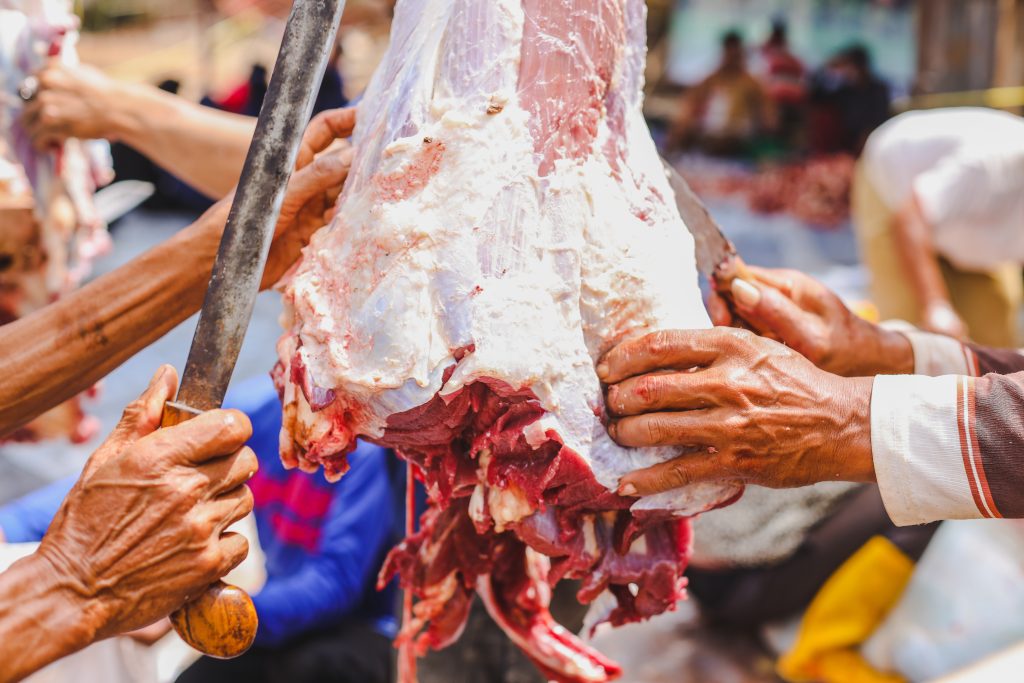
Zabiha refers specifically to the Islamic method of slaughter, not just halal ingredients. For meat to be considered proper Zabiha, the following conditions must be met:
-
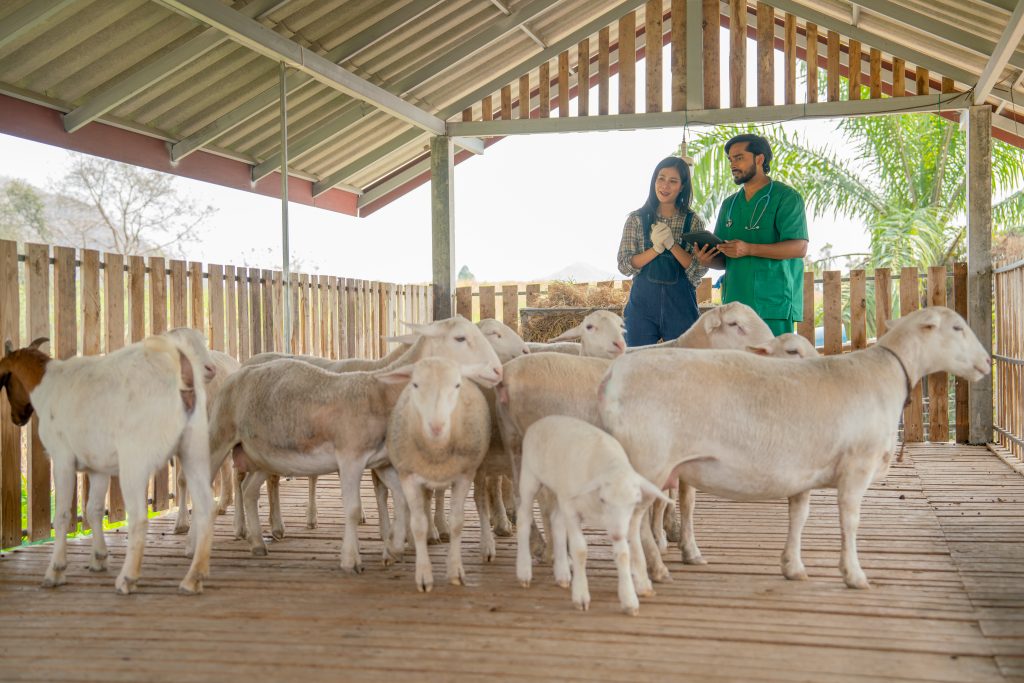
The animal must be healthy at the time of slaughter
-
The slaughterer must be a sane adult Muslim
-
The name of Allah (Bismillah) must be recited at the time of slaughter
-
A sharp blade must be used for a swift cut
-
The throat, windpipe, and major blood vessels must be severed
-
Blood must be fully drained from the body
If any of these conditions are missing, the meat may be labeled halal but is not Zabiha according to Islamic law.
2. Look Beyond the “Halal” Label
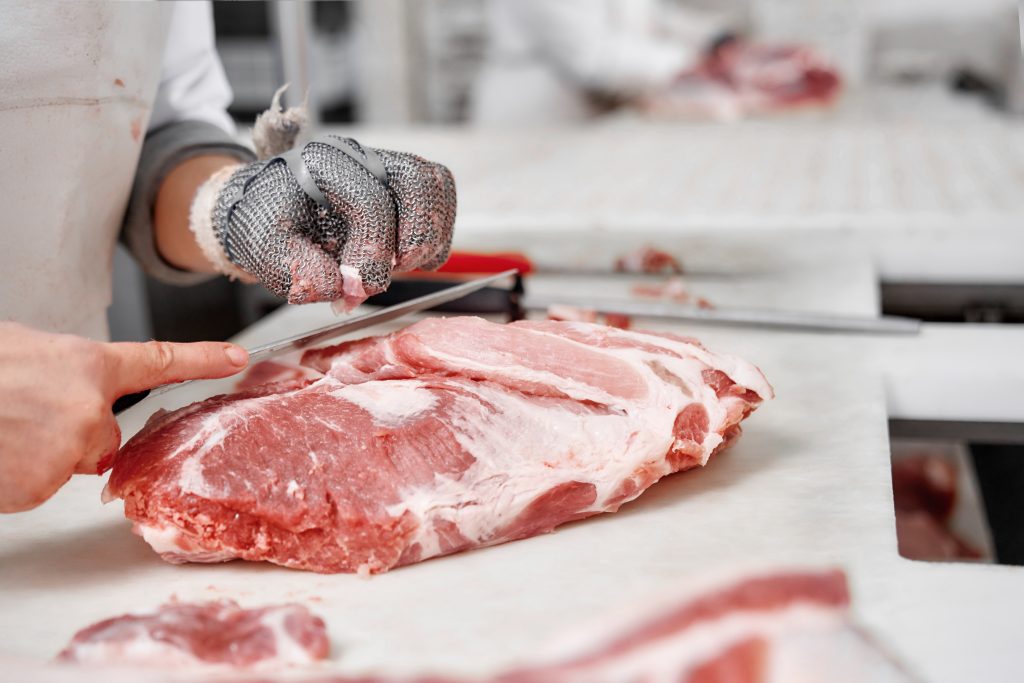
Not all halal meat is Zabiha meat. Some producers use mechanical slaughter methods or rely on general halal certification without ensuring individual slaughter requirements.
When purchasing meat:
-
Check whether the label clearly states “Hand-Slaughtered Zabiha”
-
Avoid vague terms such as “halal compliant” without details
-
Look for transparency in sourcing and processing
Authentic Zabiha producers are usually proud to share their slaughter process openly.
3. Verify Halal Certification Authority
A trusted halal certification body is one of the strongest indicators of proper Zabiha meat. However, not all certifications follow the same standards.
When reviewing certification:
-
Research the certifying organization
-
Confirm that they require individual Zabiha slaughter
-
Check if audits and inspections are conducted regularly
-
Look for traceability from farm to facility
Reliable halal brands will clearly display certification details and allow consumers to verify authenticity.
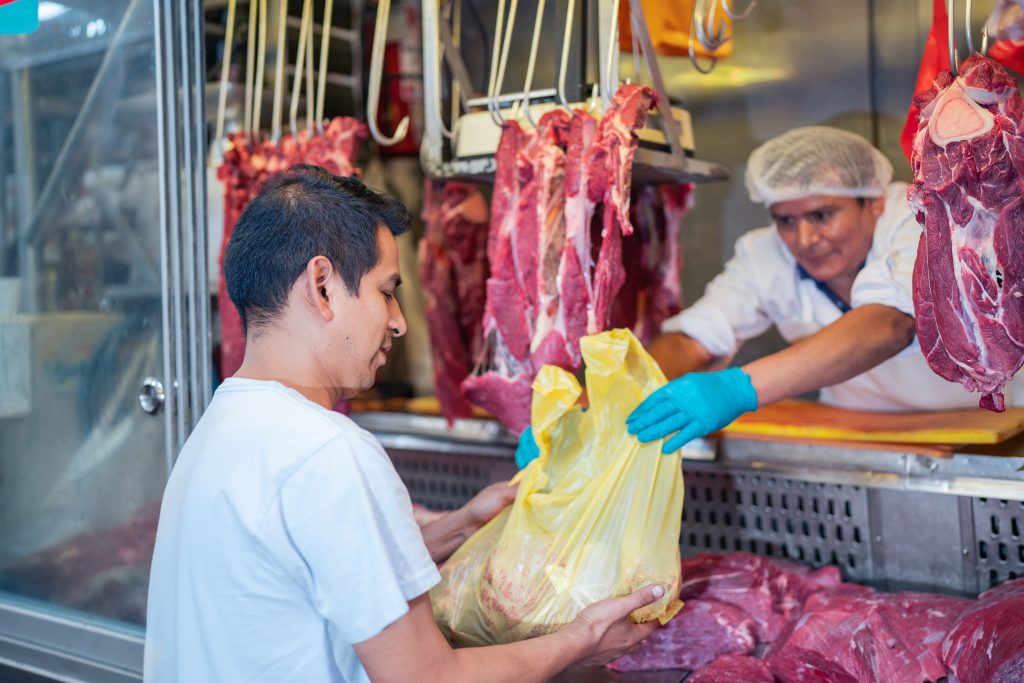
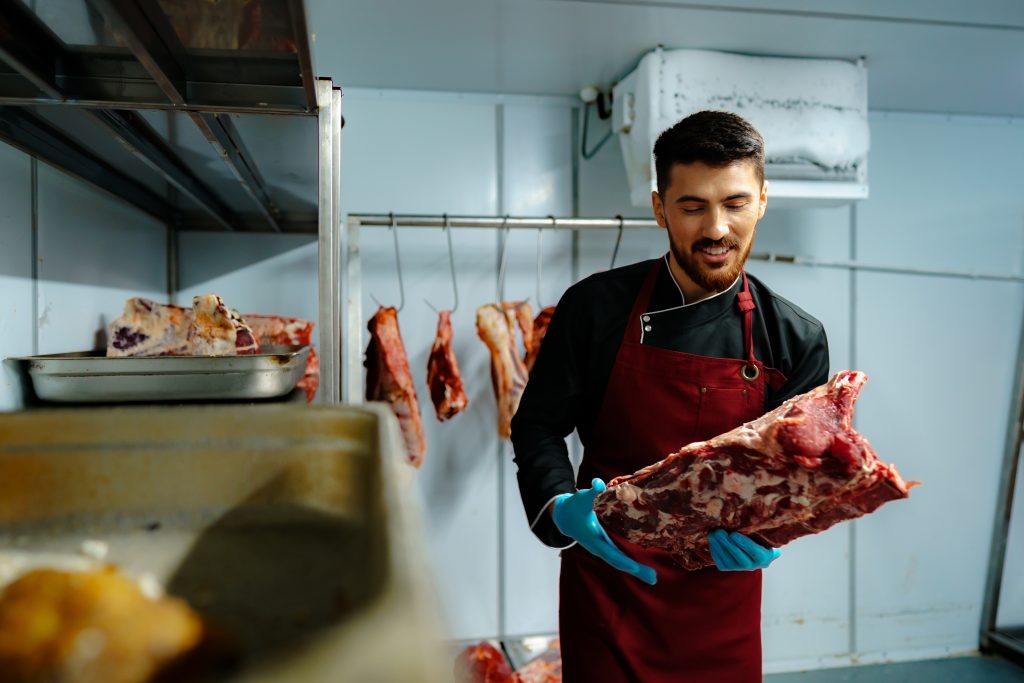
4. Ask the Right Questions at the Store or Butcher
A reputable halal butcher or store should be able to answer questions confidently. Do not hesitate to ask:
-
Is the meat hand-slaughtered Zabiha?
-
Is Bismillah recited for each animal?
-
Is stunning used, and if so, is it reversible?
-
Where is the meat sourced from?
If answers are unclear or evasive, it may be a sign that the meat does not meet proper Zabiha standards.
5. Understand Stunning Practices
One of the most debated topics in halal slaughter is stunning. While some Islamic scholars allow reversible stunning (where the animal would survive if not slaughtered), others prefer no stunning at all.
To identify proper Zabiha meat:
-
Ensure the animal is alive at the time of slaughter
-
Confirm stunning does not cause death before the cut
-
Verify that blood drainage is complete
Transparency about stunning methods is essential when assessing authenticity.
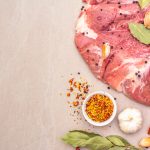
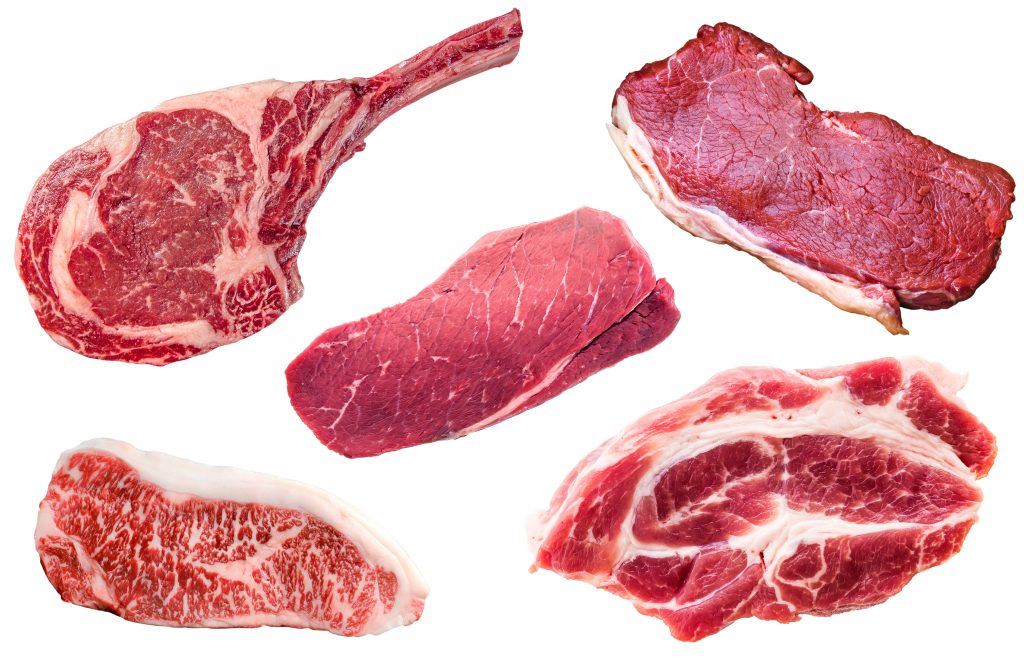
6. Observe Meat Appearance and Quality
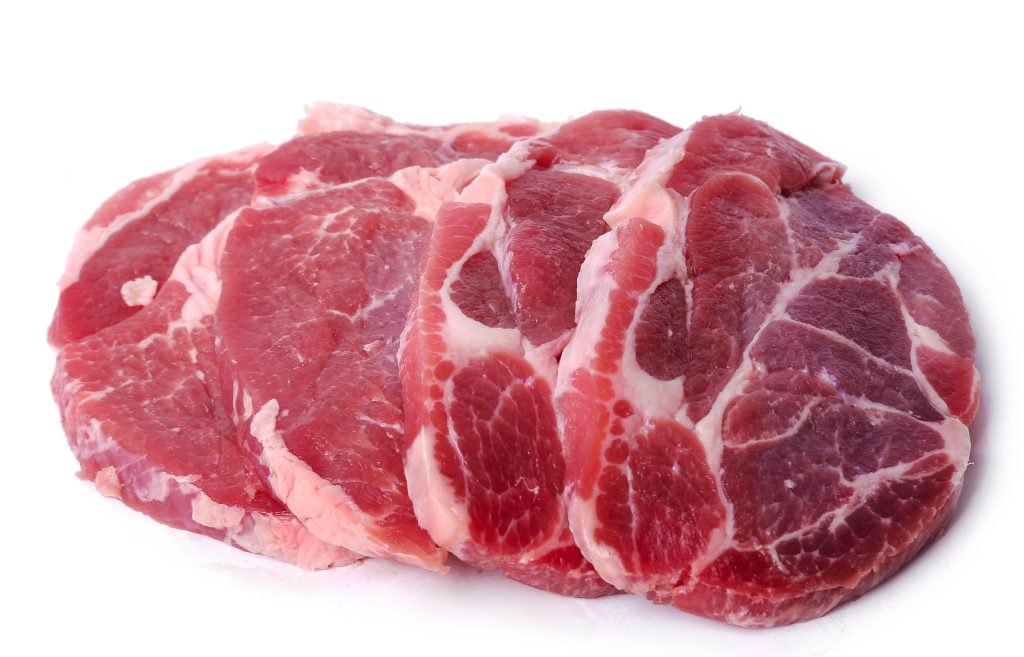
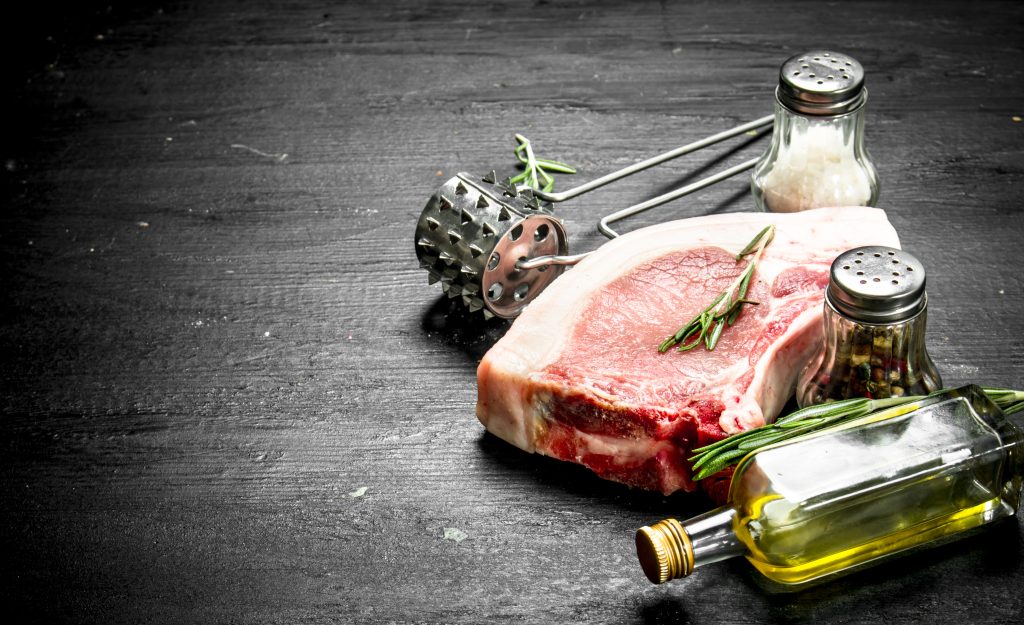
While visual inspection alone cannot confirm Zabiha compliance, proper Zabiha meat often shows distinct quality traits:
-
Bright, natural color (not dark or purplish)
-
No strong or metallic odor
-
Firm texture without excessive moisture
-
Longer freshness compared to non-Zabiha meat
Complete blood drainage contributes to cleaner appearance and better shelf life.
7. Choose Trusted Halal Brands and Farms
One of the easiest ways to ensure proper Zabiha meat is by purchasing from trusted halal farms and brands known for transparency and integrity.
Look for brands that:
-
Share their slaughter and sourcing process
-
Follow ethical animal welfare practices
-
Provide consistent quality and certification
-
Have strong community trust and reputation
Established halal producers take responsibility seriously and prioritize both religious and quality standards.
8. Online Purchasing: What to Check
When buying Zabiha meat online, take extra precautions:
-
Read product descriptions carefully
-
Look for detailed slaughter information
-
Check customer reviews and ratings
-
Confirm certification and sourcing details
Authentic Zabiha meat sellers usually provide clear explanations and customer support to answer questions.
9. Understand the Difference Between Halal, Zabiha, and Machine-Slaughtered
Many consumers mistakenly assume all halal meat is Zabiha. Understanding the distinction is key:
-
Halal: Permissible under Islamic law (broad term)
-
Zabiha: Specific Islamic slaughter method
-
Machine-slaughtered: Often halal-certified but not Zabiha
Being informed helps avoid confusion and ensures religious compliance.
10. Make Conscious and Informed Choices
Identifying proper Zabiha meat is about awareness, responsibility, and intention. Islam encourages believers to consume what is halal and tayyib (pure and wholesome).
By taking time to verify sourcing, certification, and practices, consumers protect not only their faith but also their health and ethical values.
Conclusion
Proper Zabiha meat is defined by faith, integrity, and care. It is not simply a label—it is a complete process that honors Islamic principles, animal welfare, hygiene, and human health.
To identify authentic Zabiha meat:
-
Understand the Zabiha requirements
-
Verify certification and sourcing
-
Ask informed questions
-
Choose trusted halal producers
When you select properly slaughtered Zabiha meat from reliable sources like Zabiha Farms, you can eat with confidence—knowing your food aligns with your beliefs, values, and well-being.