


























Global Halal Food Trends: What’s Shaping the Future of Halal Consumption


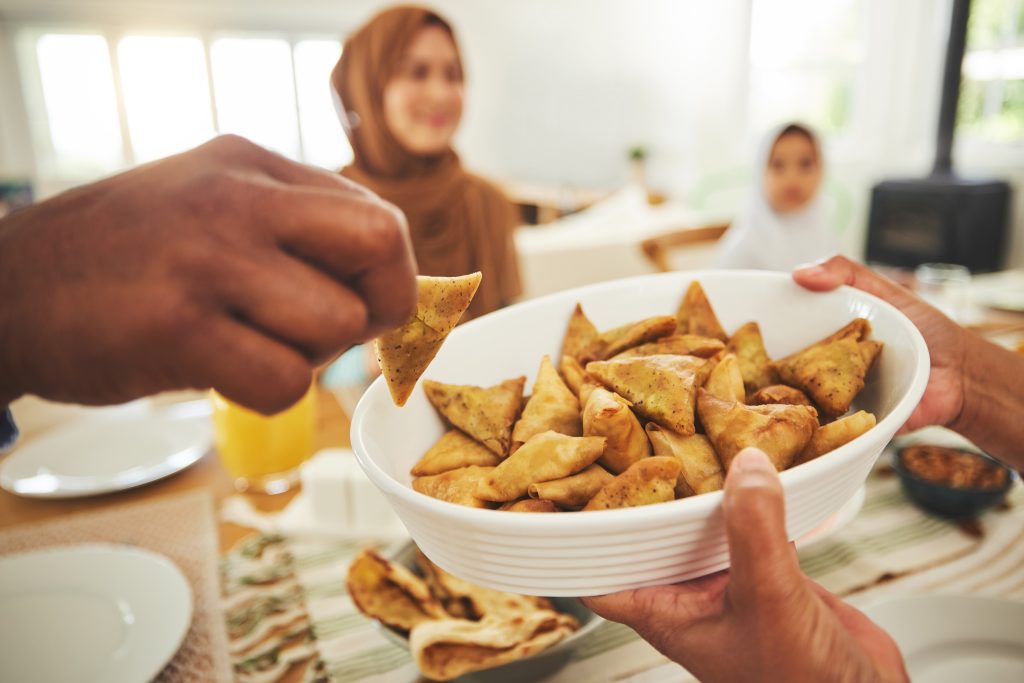
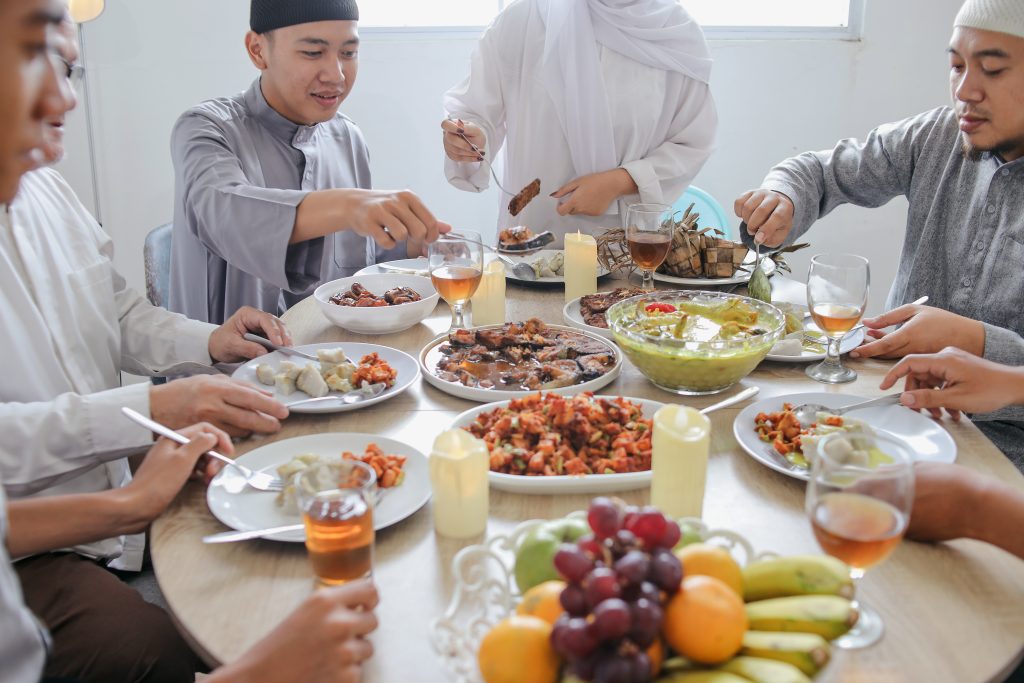
The halal food market is no longer a niche category limited to Muslim consumers — it has become a global powerhouse, reshaping food production, retail, technology, and consumer behavior around the world. With the halal sector projected to grow significantly over the next decade, trends in consumer demand, innovation, sustainability, and inclusivity are driving major transformations across the food industry. In this blog, we explore the key global halal food trends that are defining the present and future of halal consumption. Market Growth Reports+1
1. Rapid Market Growth and Global Demand
One of the most significant trends in the halal food sector is its rapid global growth. The halal food market is expanding quickly due to the rising global Muslim population — projected to reach 2.2 billion by 2030 — and increasing demand from both Muslim and non-Muslim consumers who associate halal food with quality, hygiene, and ethical standards. Market Growth Reports+1
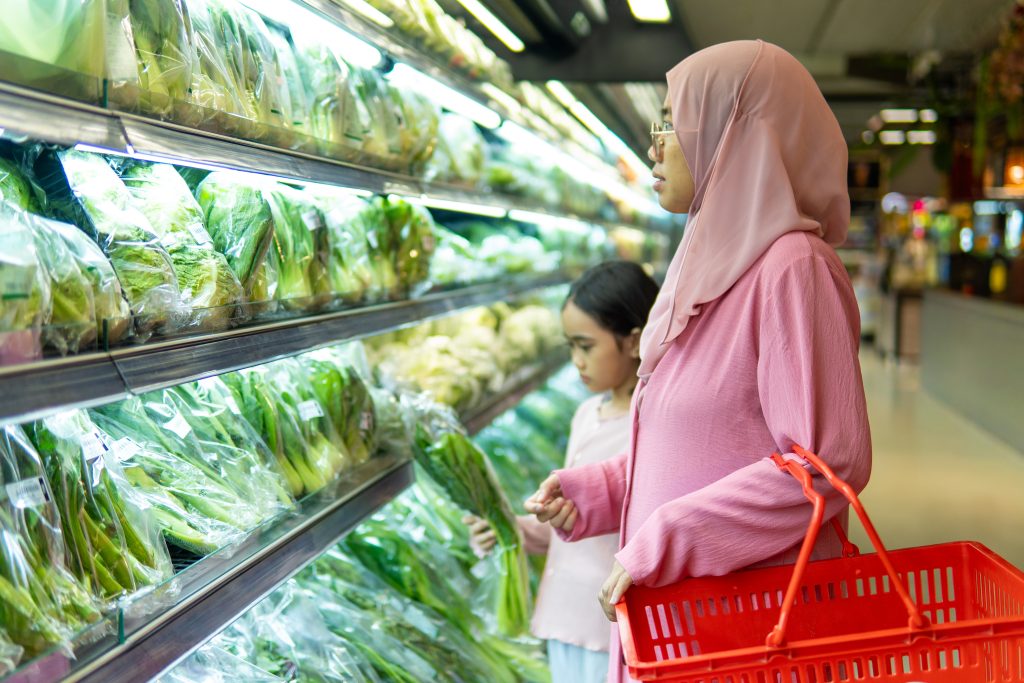
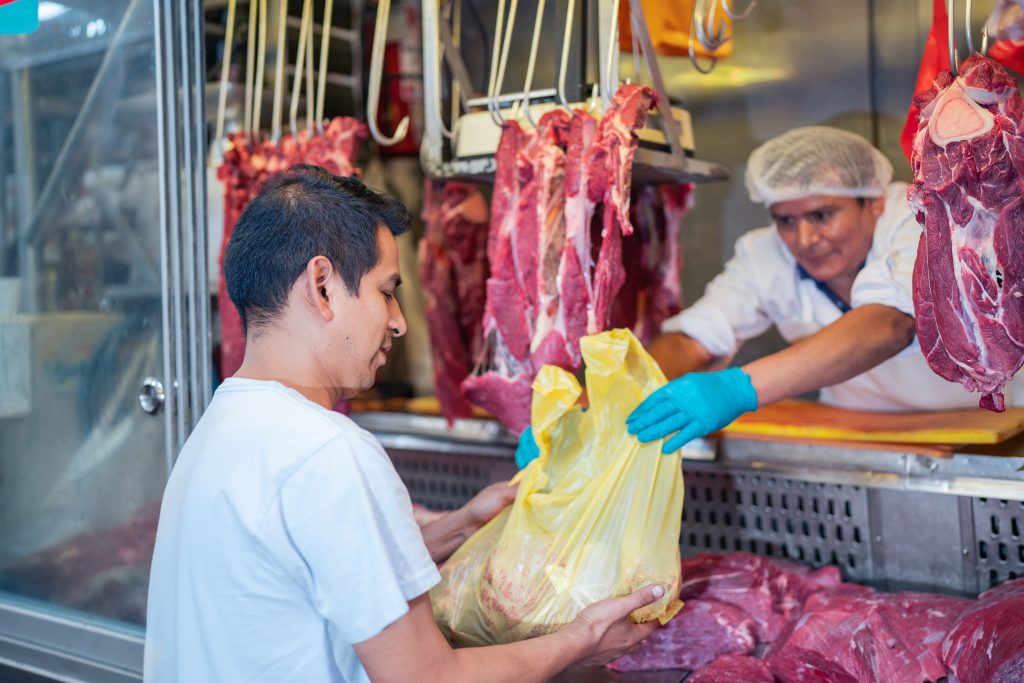
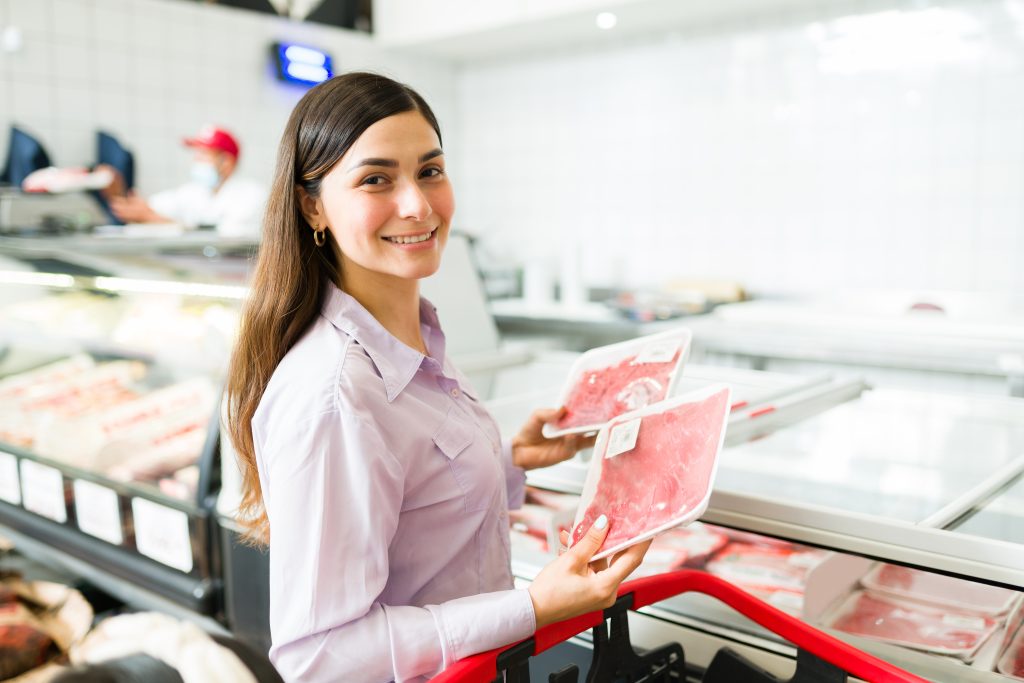
This rising demand has encouraged mainstream supermarkets, restaurants, and food brands in Europe, North America, and Asia-Pacific to expand their halal food offerings. For example, over 1,100 supermarket chains worldwide now carry halal-certified products, making halal food more accessible than ever before. Market Growth Reports
The sheer scale of this growth has led analysts to estimate the global halal food market will be worth several trillion dollars by 2033, expanding across categories like meat, dairy, snacks, beverages, and ready-to-eat meals. GlobeNewswire
2. Mainstream Acceptance Beyond Muslim Consumers
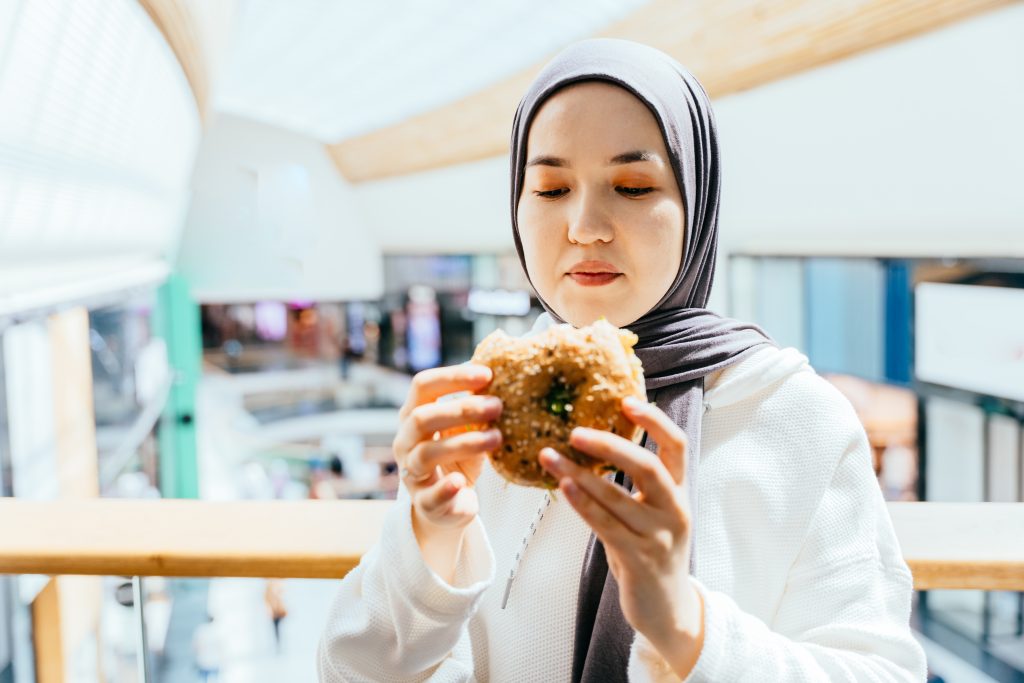
Halal food is no longer only important to practicing Muslims — its emphasis on cleanliness, ethical production, and transparency appeals to a broader audience. More consumers are choosing halal products for health, ethical, and food safety reasons, even if they do not follow Islamic dietary laws. Market Growth Reports
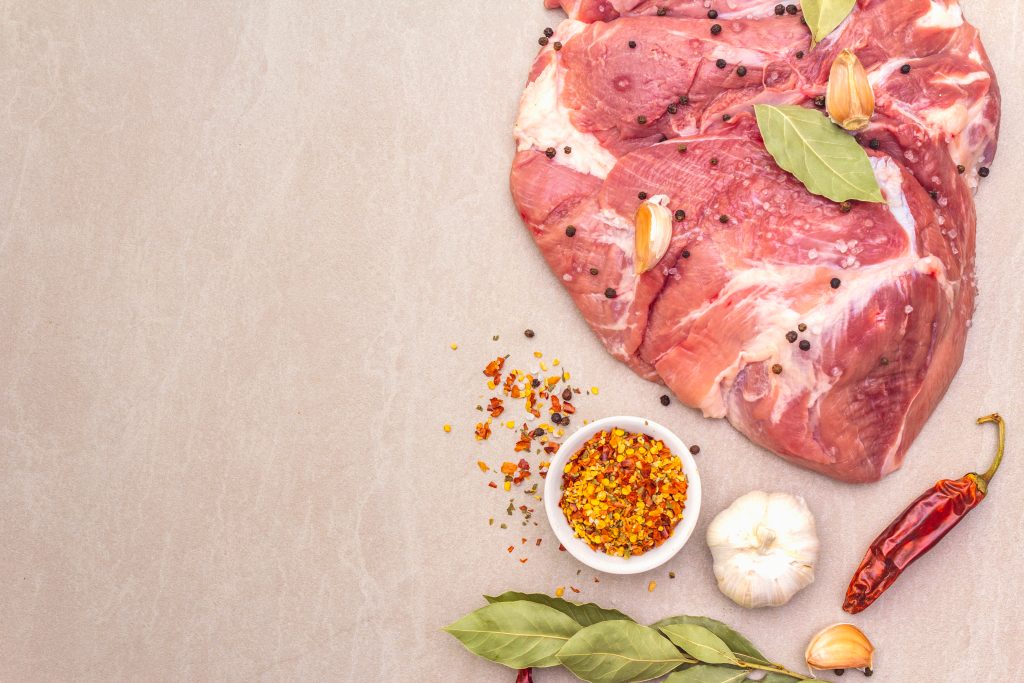
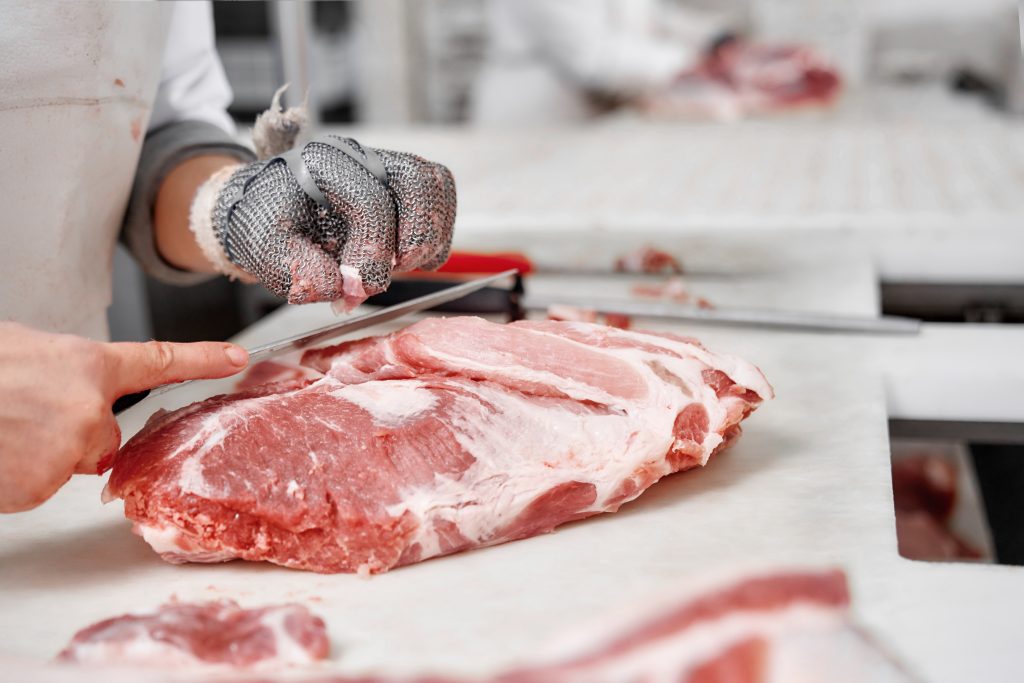
Health-conscious buyers often see halal meat as cleaner and safer due to its strict processing standards, while ethical consumers appreciate humane animal treatment and sustainable sourcing. As a result, organic halal products and halal-certified health foods are gaining traction in wellness markets worldwide. Market Growth Reports
3. Plant-Based and Health-Forward Halal Products
Plant-based foods are not just a trend — they’re a major shift in global diets, and halal food is following suit. In recent years, the halal market has introduced hundreds of plant-based halal products, including meat analogs, vegan snacks, and dairy alternatives. These products cater to both evolving dietary preferences and ethical considerations around animal welfare. Market Growth Reports
This shift reflects a convergence between halal values and the global health and wellness movement, making halal foods attractive for people seeking healthier, lower-fat, plant-focused diets without compromising on religious compliance. Market Growth Reports
4. Convenience and Ready-to-Eat Products
Today’s fast-paced lifestyles are pushing demand for convenience — and the halal food market is responding. Ready-to-eat halal meals, frozen halal dinners, and grab-and-go snacks are becoming increasingly popular, especially in urban centers. ESM Magazine
The rise of halal food delivery services and meal subscription kits has also transformed how consumers access halal meals. Not only are these services growing in Muslim-majority countries, but they are also expanding in cities with Muslim diaspora populations like London, Dubai, Kuala Lumpur, and Toronto. Market Growth Reports
5. Technology, Traceability & Certification
Technological innovation is reshaping halal food production and distribution. Blockchain technology — which allows secure, tamper-proof tracking from farm to fork — is being adopted by halal producers to ensure authenticity and boost consumer confidence. Market Growth Reports
Artificial intelligence (AI) and automation are also entering the halal food ecosystem, helping producers maintain compliance, monitor quality, and reduce human error in processing and certification. ESM Magazine
Improved halal certification standards supported by digital verification, traceability systems, and QR code packaging are making it easier for consumers to trust and verify halal products globally. Market Growth Reports
6. Sustainability and Ethical Consumption
Environmental consciousness is no longer a fringe priority — it is central to modern food consumption. Sustainability and ethical sourcing align naturally with halal principles, which emphasize responsible stewardship of resources and humane treatment of animals. ESM Magazine
Many halal brands now prioritize eco-friendly packaging, reduced food waste practices, and farm-to-table sourcing. These trends reflect not only Islamic values but also global expectations for sustainable, socially responsible food production. The Halal Times
Moreover, new halal certifications are being integrated with environmental, social, and governance (ESG) standards to further elevate ethical and sustainable criteria in the halal industry. The Times of India
7. Global Culinary Diversity & Fusion
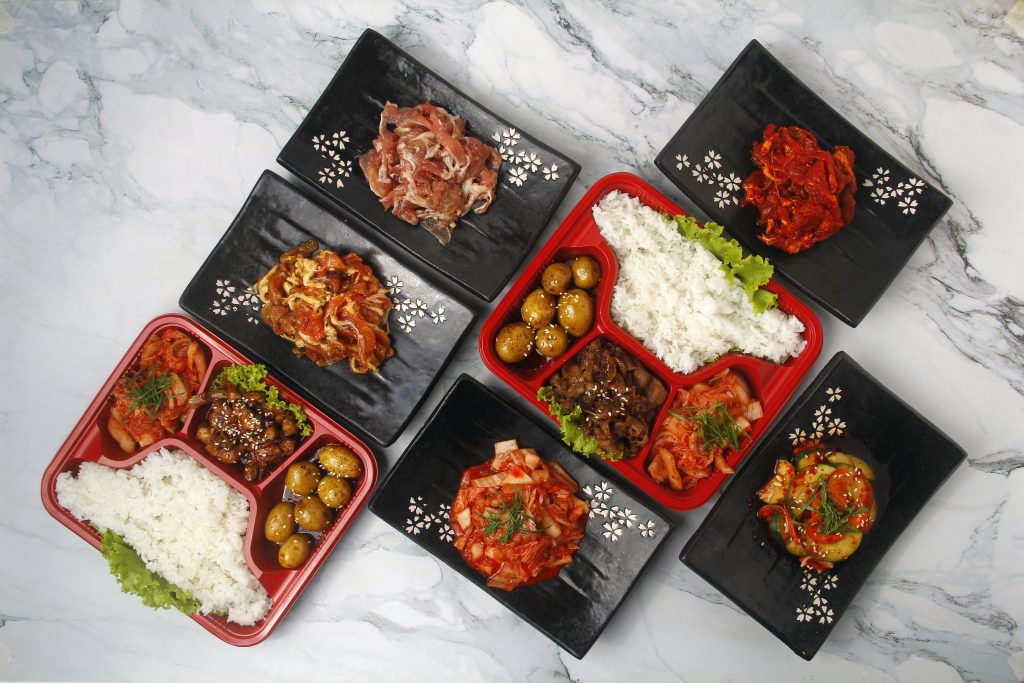
Halal cuisine is no longer limited to traditional Middle Eastern or South Asian dishes. As halal food becomes more global, we see exciting culinary innovations that mix flavors from different regions — from halal-style tacos and burgers to Asian fusion halal cuisine and gourmet fine dining that adheres to halal standards. GlobalSadaqah.com Blog
This diversity in halal food offerings enhances cultural exchange and invites more people from varied backgrounds to experience halal cuisine, expanding the market’s reach and popularity worldwide. GlobalSadaqah.com Blog
8. Expansion of Halal Food in Travel & Hospitality
Halal food is becoming a staple in travel and hospitality sectors due to the growing market of halal tourism. Muslim travelers seek destinations with certified halal food options, prayer facilities, and culturally sensitive services. This trend encourages airlines, hotels, and resorts to expand their halal menus and services to attract international Muslim visitors. PR Newswire
Global destinations are competing to become halal-friendly hotspots, which in turn stimulates the halal food supply chain and enhances consumer access to certified halal meals worldwide. PR Newswire
Conclusion
The global halal food landscape is experiencing dynamic growth — driven by demographic shifts, consumer preferences, technology, and changing lifestyles. From mainstream supermarket shelves to digital traceability systems, from plant-based innovations to fusion cuisine, the halal food market is shaping the future of global food trends.
For businesses in the halal sector, understanding these trends is key to staying competitive, expanding reach, and meeting the needs of today’s diverse, conscious consumers. For consumers, these innovations mean greater access to halal-certified products that meet not only religious requirements but also modern expectations for quality, sustainability, and convenience.
Whether you are a food producer, retailer, or a halal enthusiast, the global halal food movement is one of the most exciting and rapidly evolving trends in the global food industry — one with enormous potential and promise in the years ahead.