
















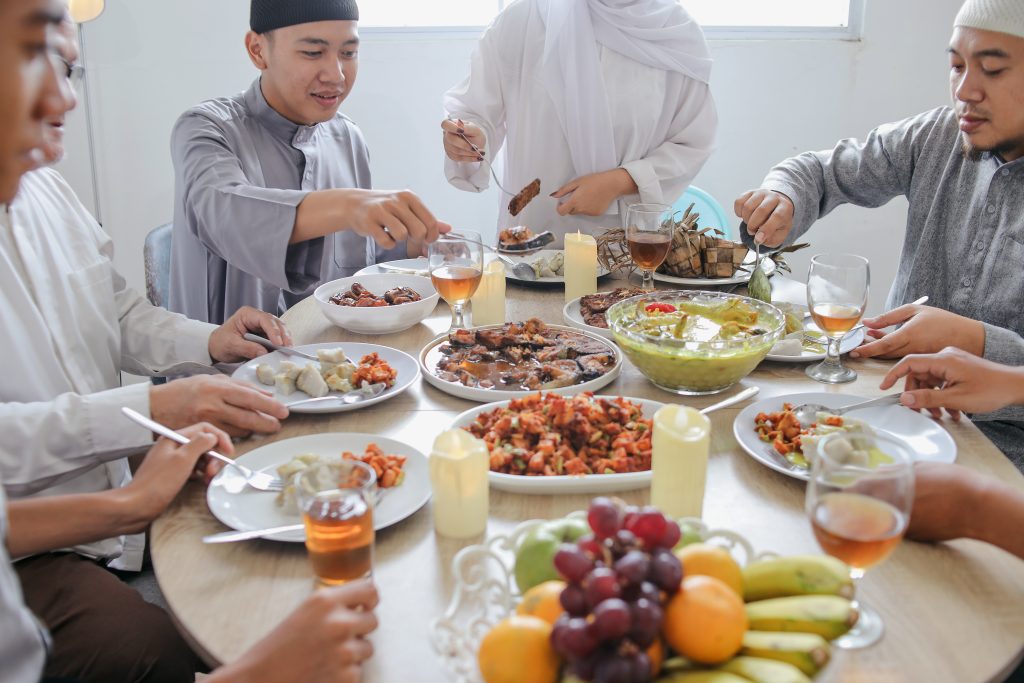





Etiquettes of Sharing Food: Following Islamic Teachings

Lorem Ipsum is simply dummy text of the printing and typesetting industry. Lorem the industry’s standard dummy text ever since the when an unknown printer took a galley of type and scrambled it to make a type spe has been the industry’s standard dummy text


Eating Mindfully as per Islam: A Guide to Spiritual and Physical Well-being

Lorem Ipsum is simply dummy text of the printing and typesetting industry. Lorem the industry’s standard dummy text ever since the when an unknown printer took a galley of type and scrambled it to make a type spe has been the industry’s standard dummy text

Common Haram Ingredients to Avoid: A Guide for Halal Consumers

Lorem Ipsum is simply dummy text of the printing and typesetting industry. Lorem the industry’s standard dummy text ever since the when an unknown printer took a galley of type and scrambled it to make a type spe has been the industry’s standard dummy text

How to Verify Halal Certification: Ensuring Halal and Tayyib Food

Lorem Ipsum is simply dummy text of the printing and typesetting industry. Lorem the industry’s standard dummy text ever since the when an unknown printer took a galley of type and scrambled it to make a type spe has been the industry’s standard dummy text
Alcohol and Forbidden Foods in Cooking: A Guide for Halal Cooking

Lorem Ipsum is simply dummy text of the printing and typesetting industry. Lorem the industry’s standard dummy text ever since the when an unknown printer took a galley of type and scrambled it to make a type spe has been the industry’s standard dummy text
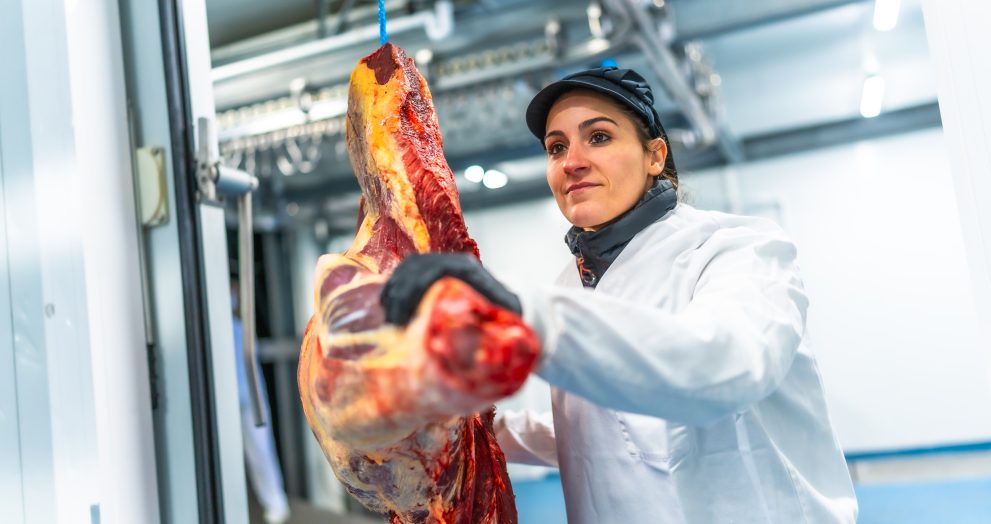
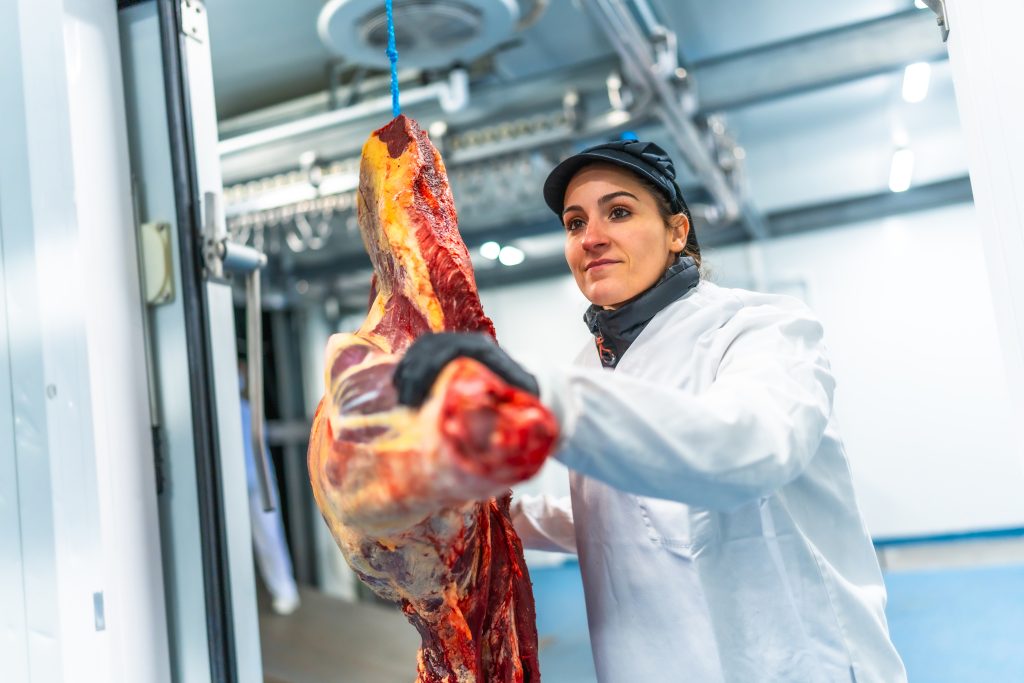
Eco-Friendly Meat Production: Sustainable Practices for a Better Future

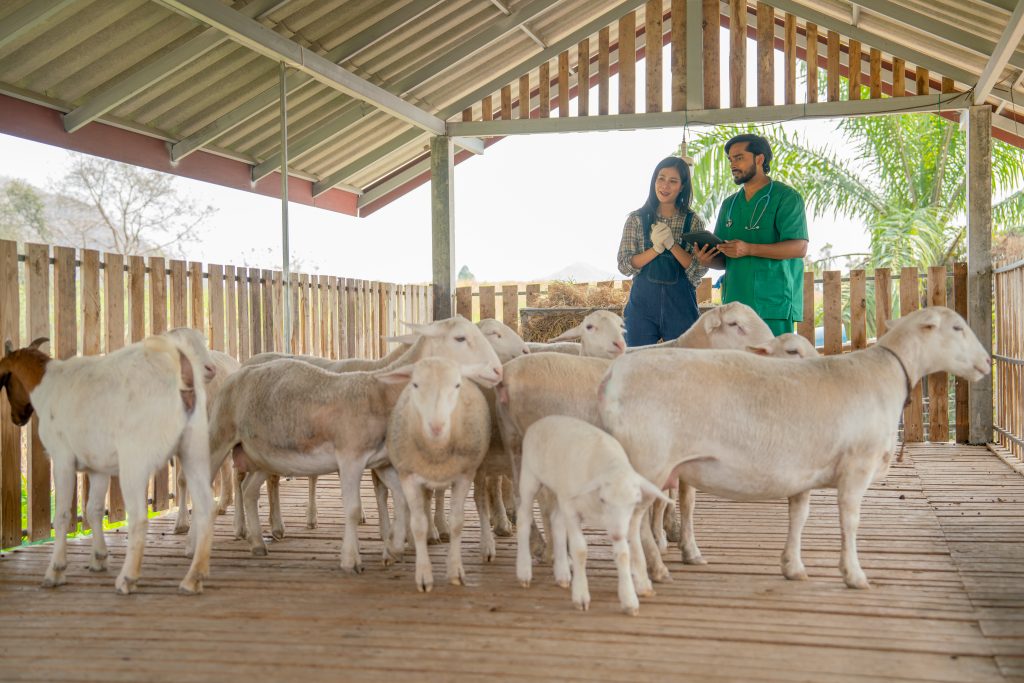
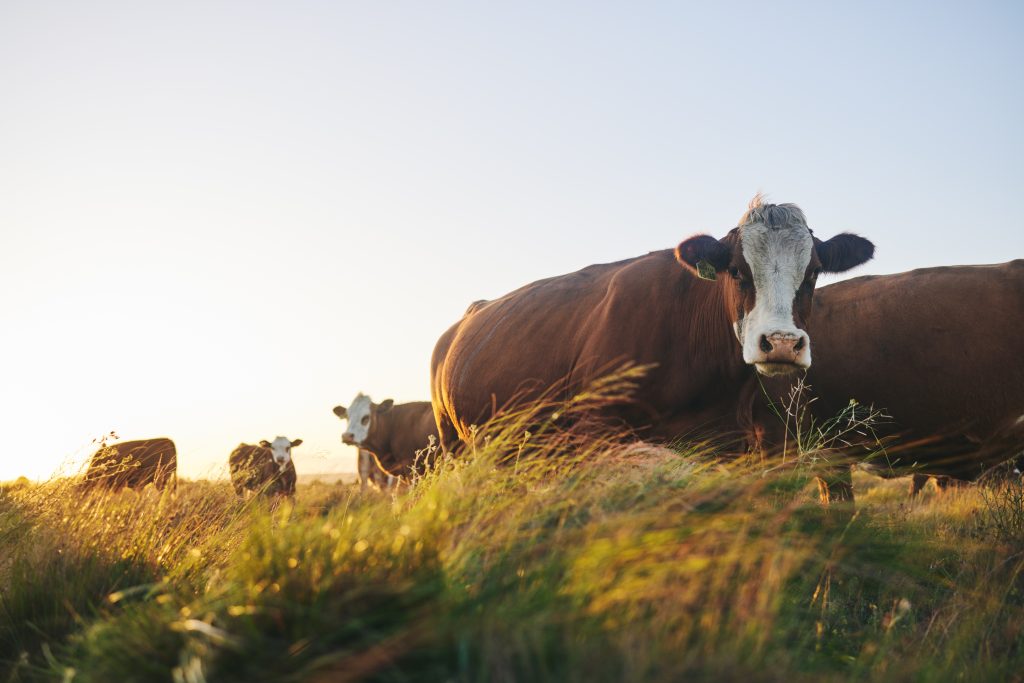
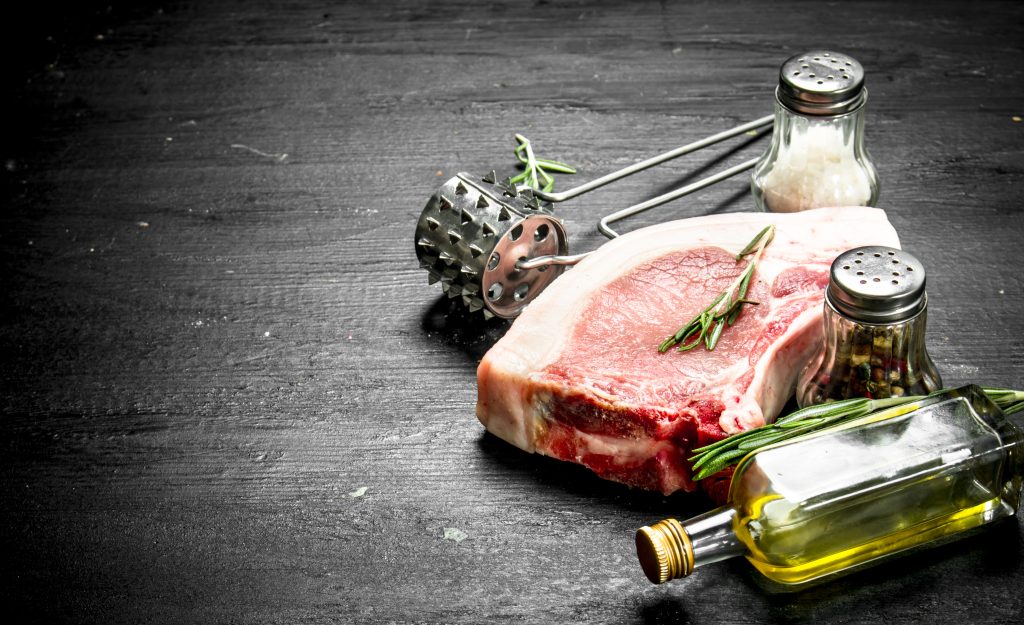
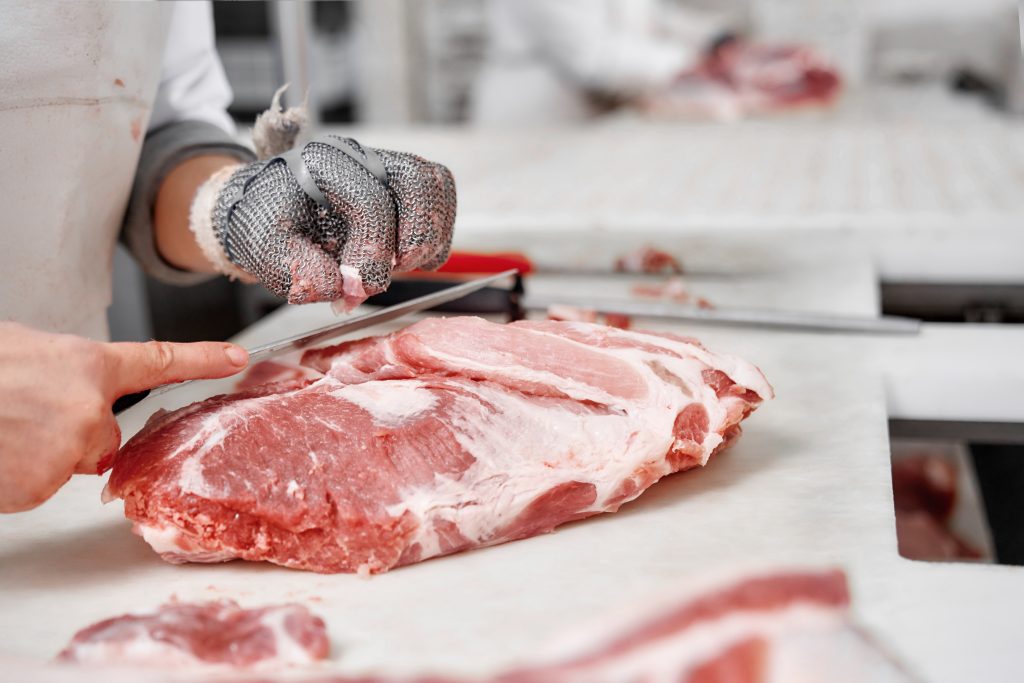
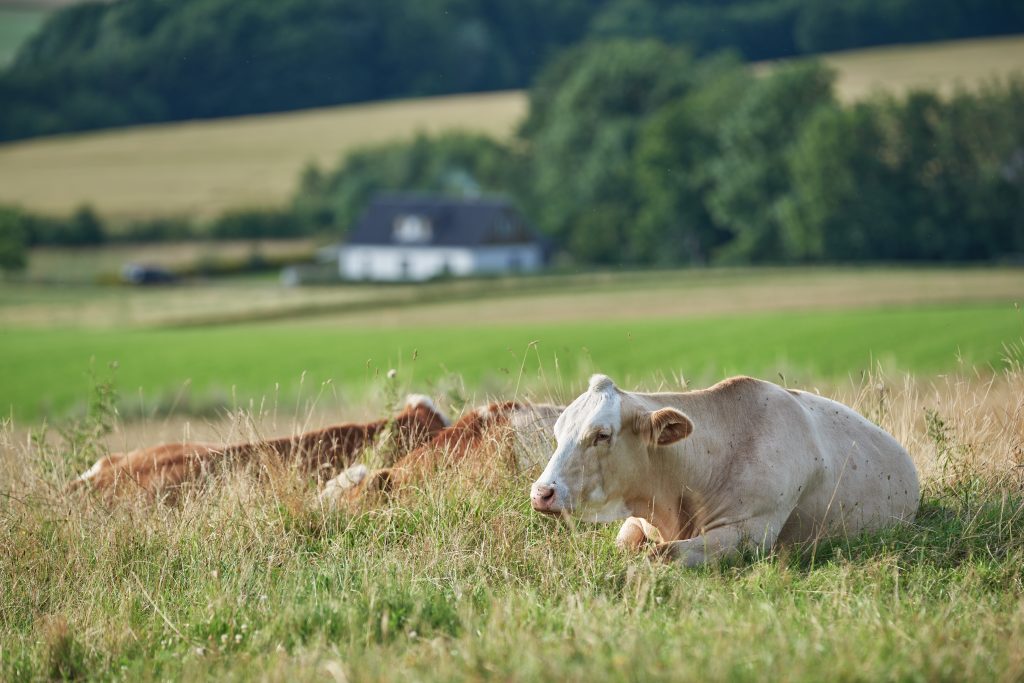
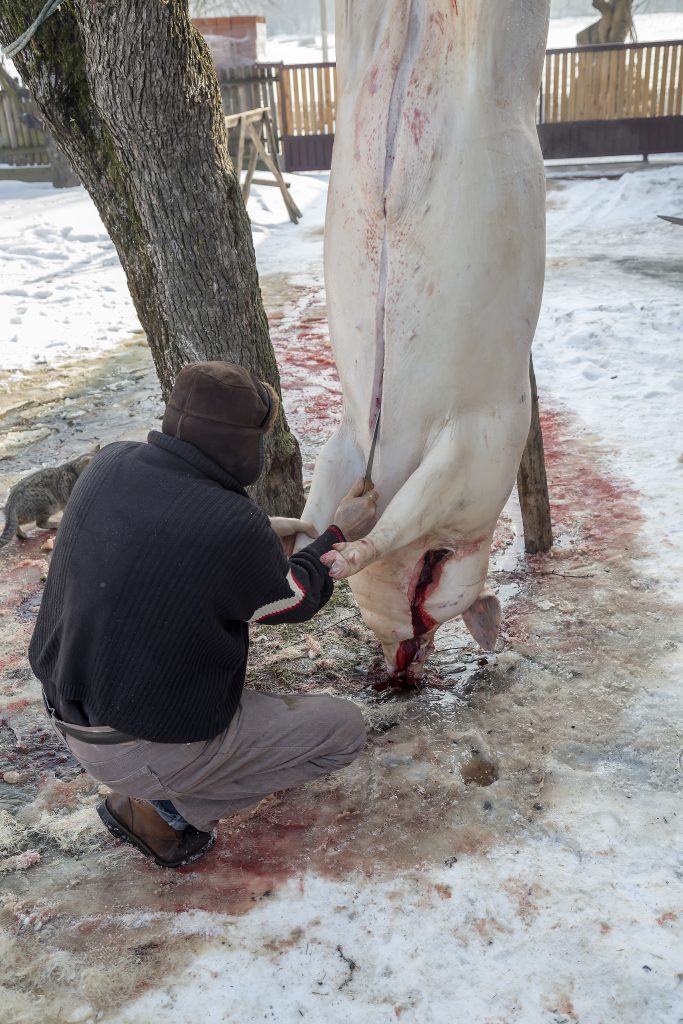
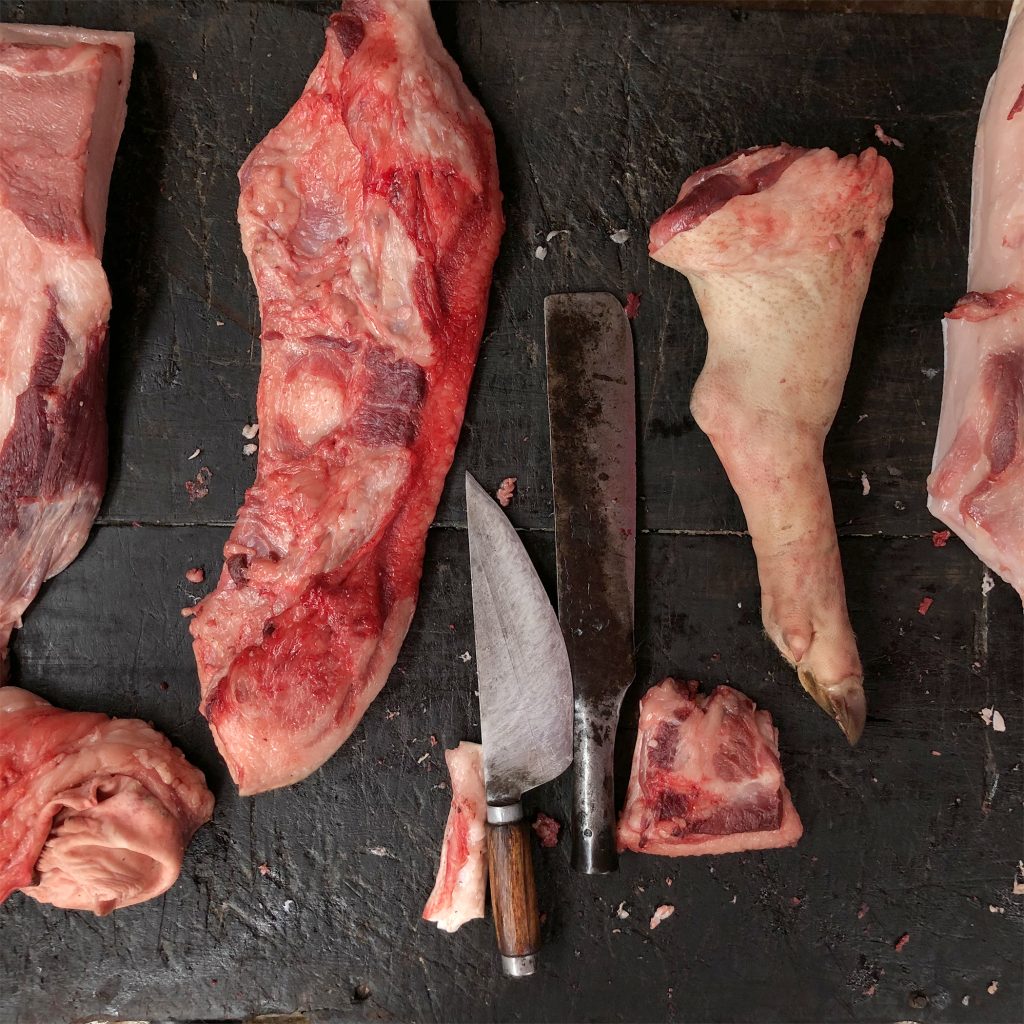
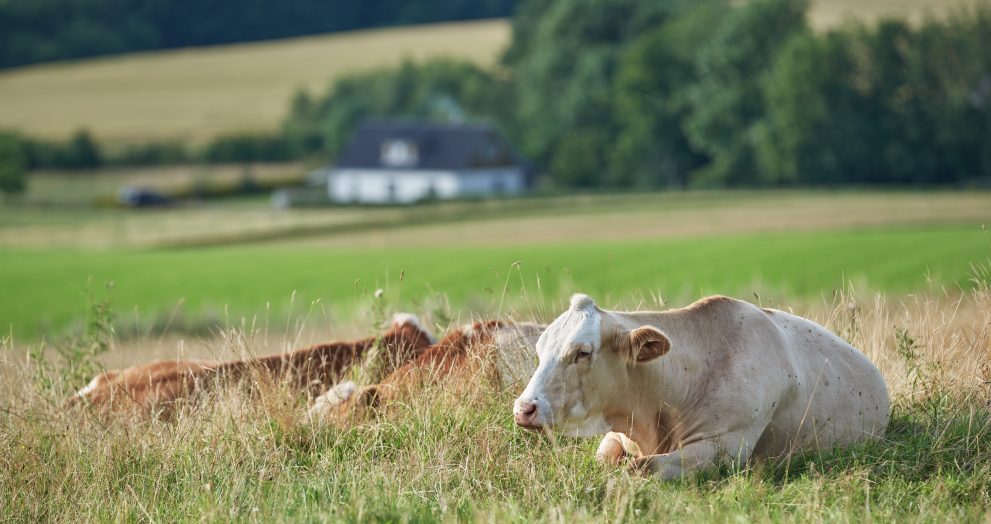
In today’s world, the demand for meat is growing rapidly, but so are concerns about environmental impact, sustainability, and ethical practices. For Muslims, eco-friendly meat production aligns with the principles of halal and tayyib, ensuring food is not only lawful but also pure, wholesome, and responsibly sourced.

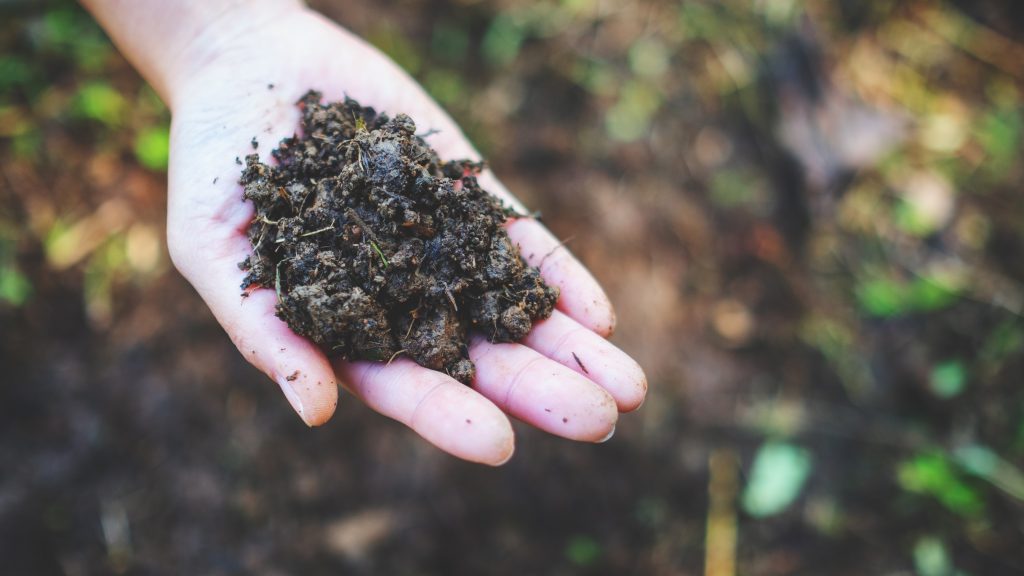
Reducing Carbon Footprint in Farming: Sustainable Practices for Halal Meat Production

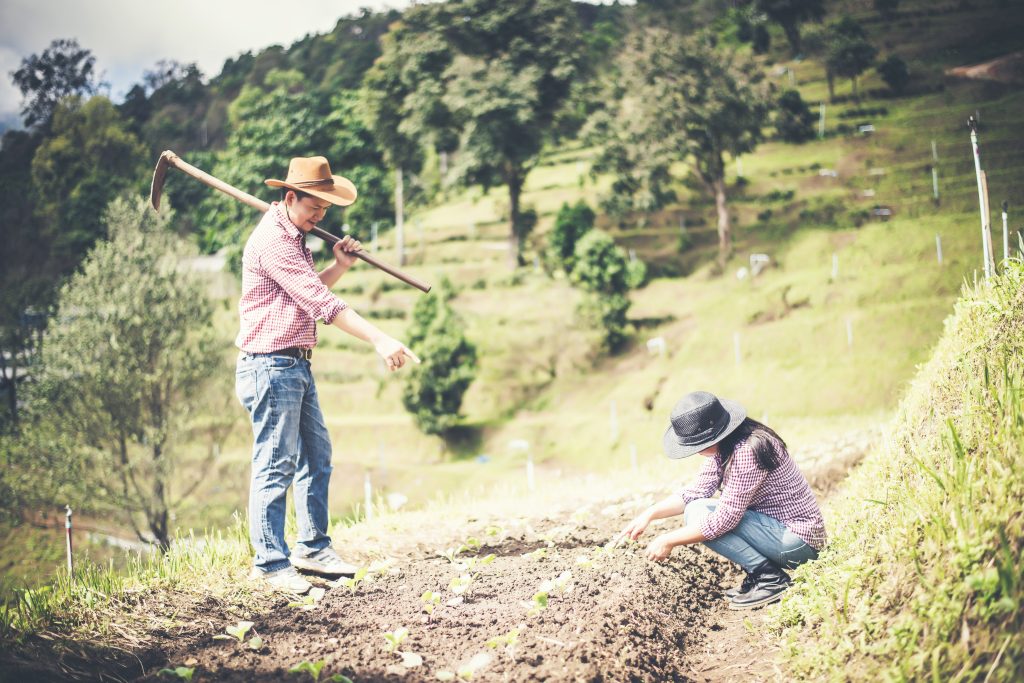
The modern world faces a critical challenge: climate change. Agriculture, particularly livestock farming, contributes significantly to greenhouse gas emissions, making it essential for farms to adopt sustainable and eco-friendly practices. For Muslims, reducing the carbon footprint in farming aligns with the principles of halal and tayyib, ensuring food is not only lawful but also ethical, wholesome, and environmentally responsible.

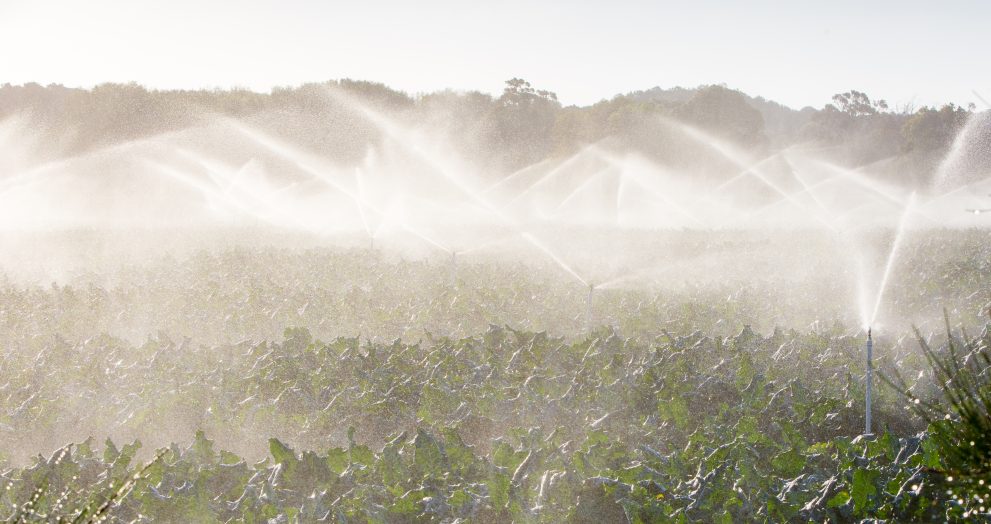
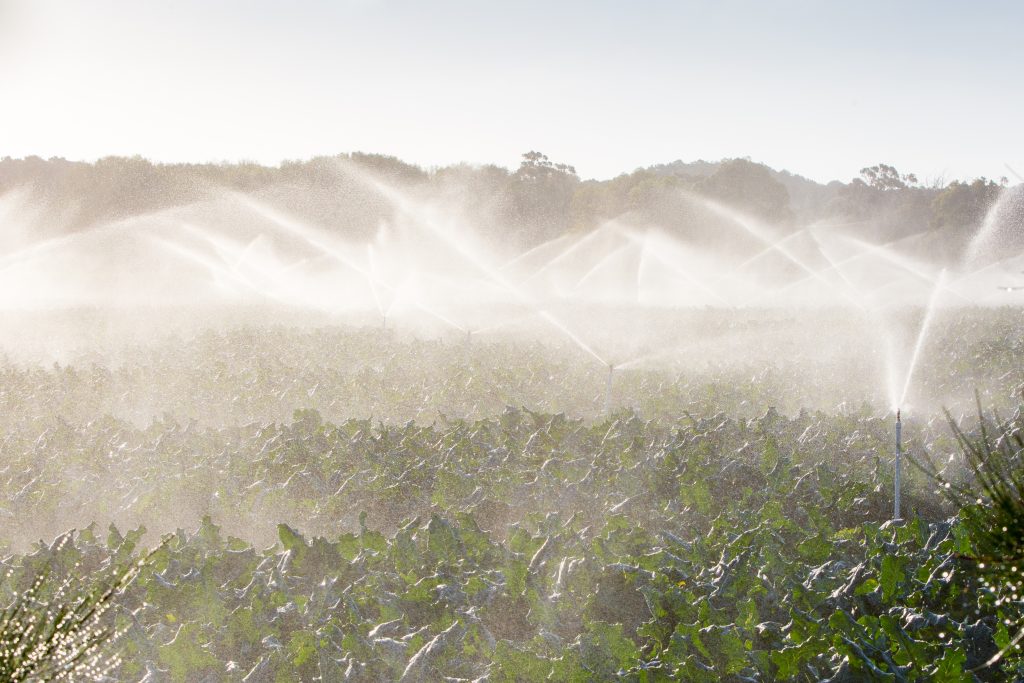
Water Conservation in Farms: Sustainable Practices for Halal Meat Production

Water is a precious resource, essential for human life, agriculture, and livestock farming. With increasing global demand and climate change, efficient water use has become critical. For halal-conscious consumers, farms that prioritize water conservation not only uphold environmental responsibility but also ensure that meat is lawful (halal) and wholesome (tayyib).

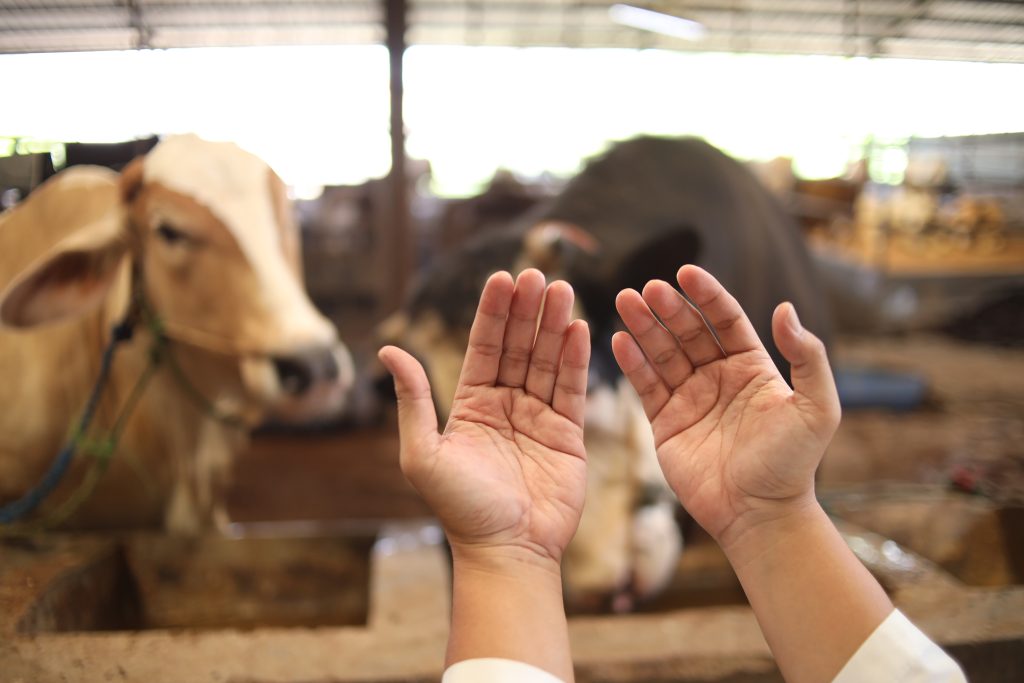
Renewable Energy in Meat Production: Sustainable Practices for Halal Farms

As global demand for meat increases, so does the environmental footprint of livestock farming. Energy use in farms—from feeding and watering animals to processing and transporting meat—can contribute significantly to greenhouse gas emissions. Incorporating renewable energy into meat production is a key strategy for eco-friendly, sustainable, and halal-compliant farming.