










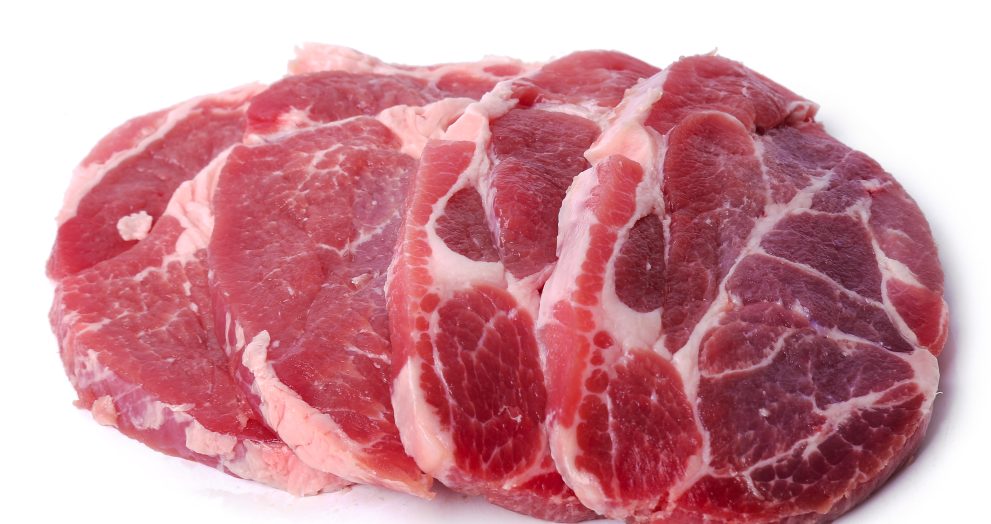
Ethical Considerations in Zabiha Meat

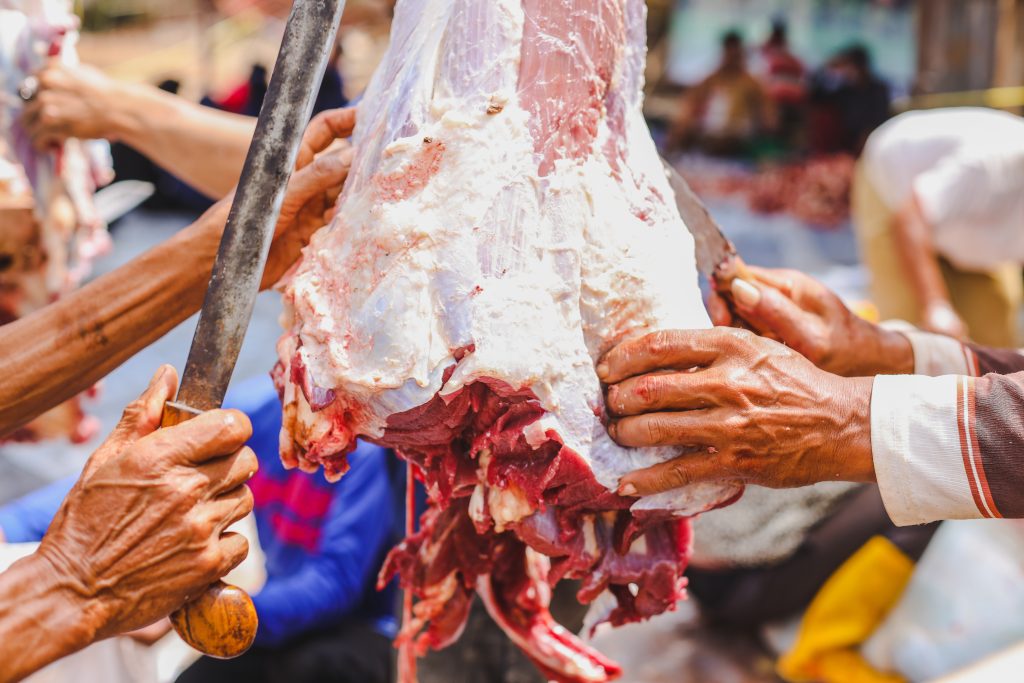
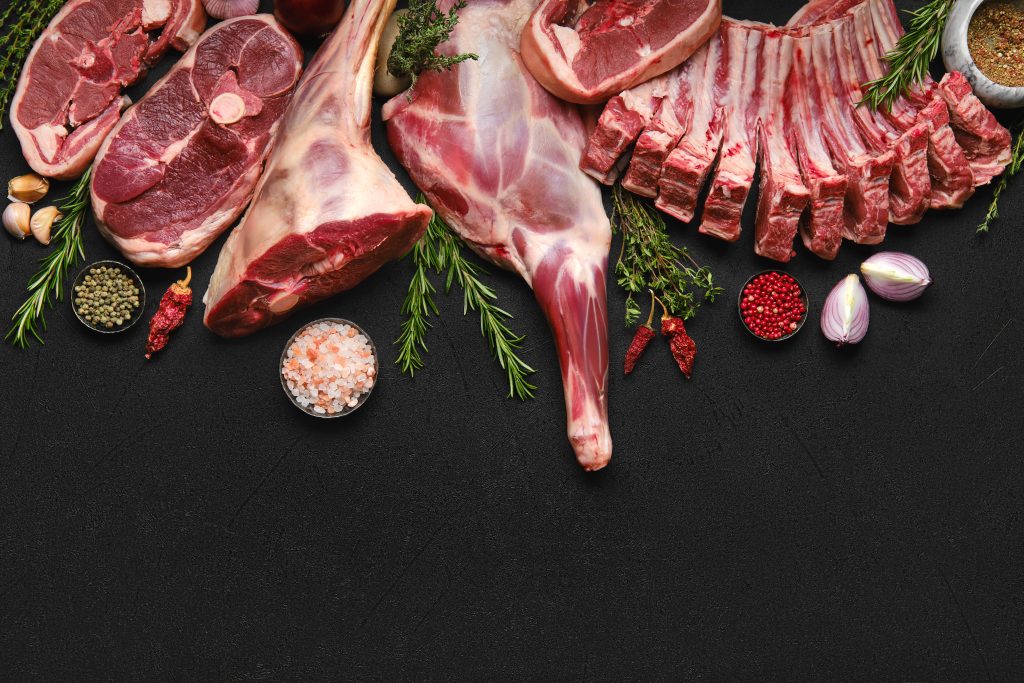
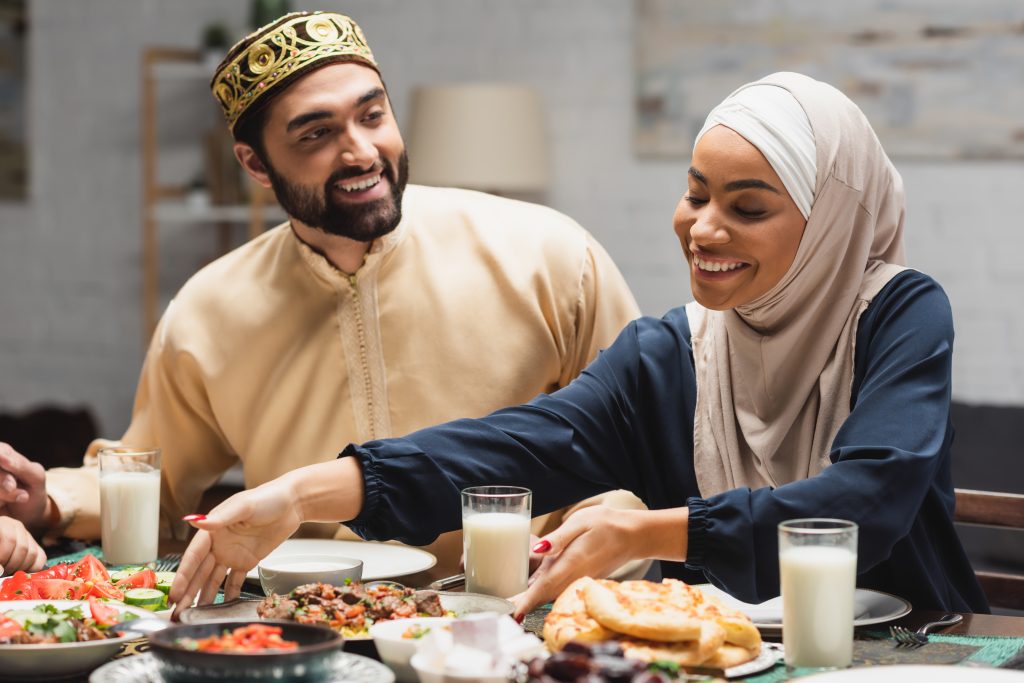
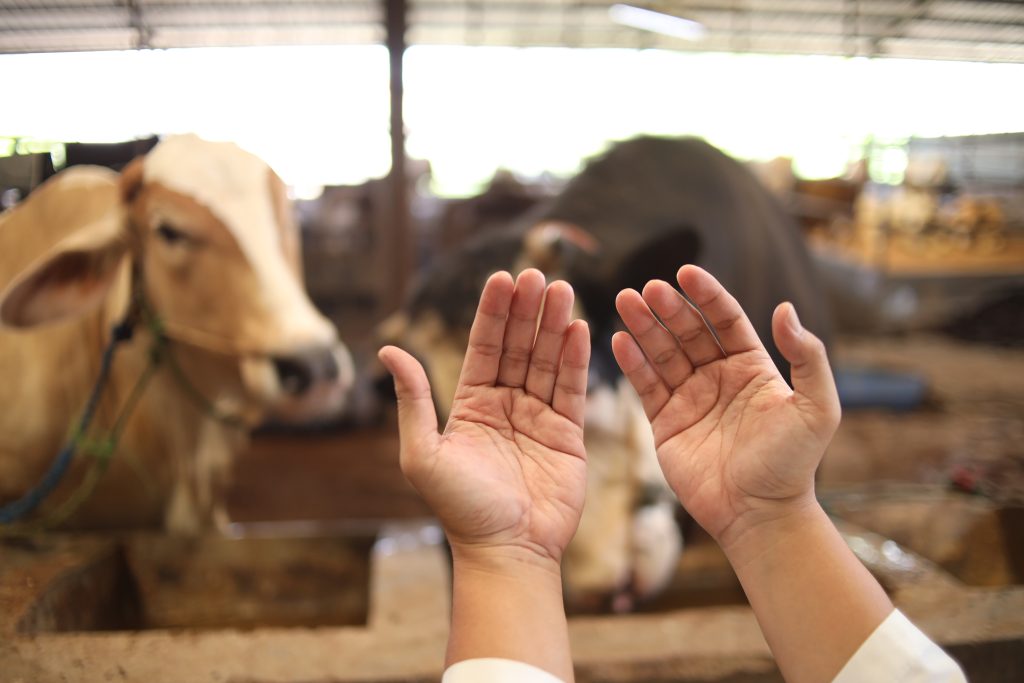
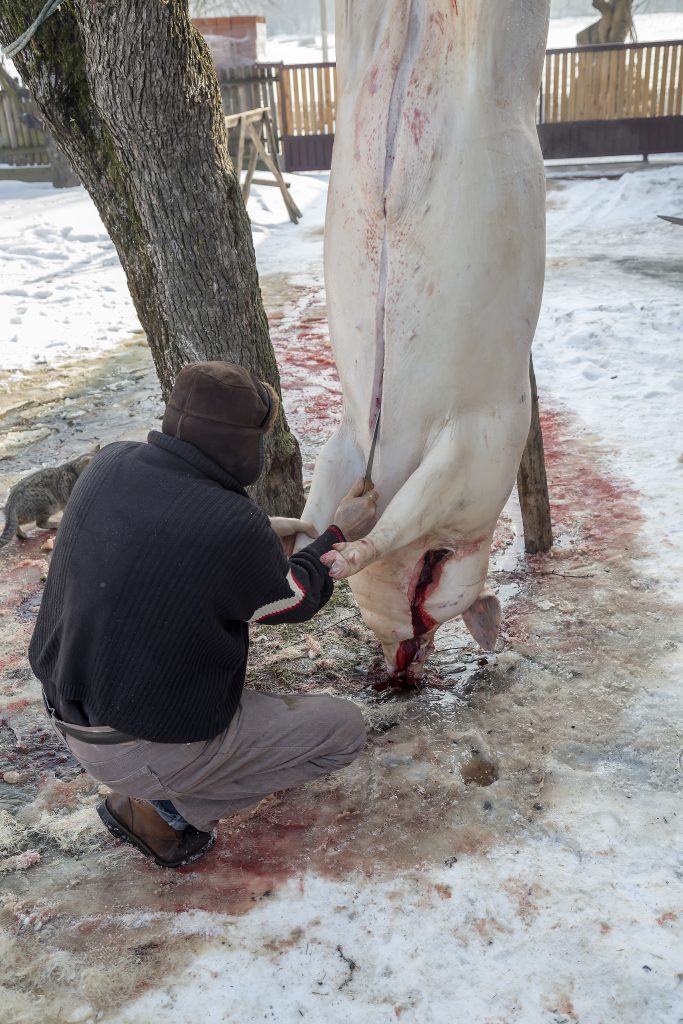
Zabiha meat is more than a dietary requirement; it is a manifestation of Islamic ethics, compassion, and responsibility. For Muslims, consuming Zabiha meat ensures that their food aligns with religious principles, health standards, and humane treatment of animals. Ethical considerations are deeply intertwined with the Zabiha process, guiding not only how animals are slaughtered but also how they are raised, handled, and consumed.
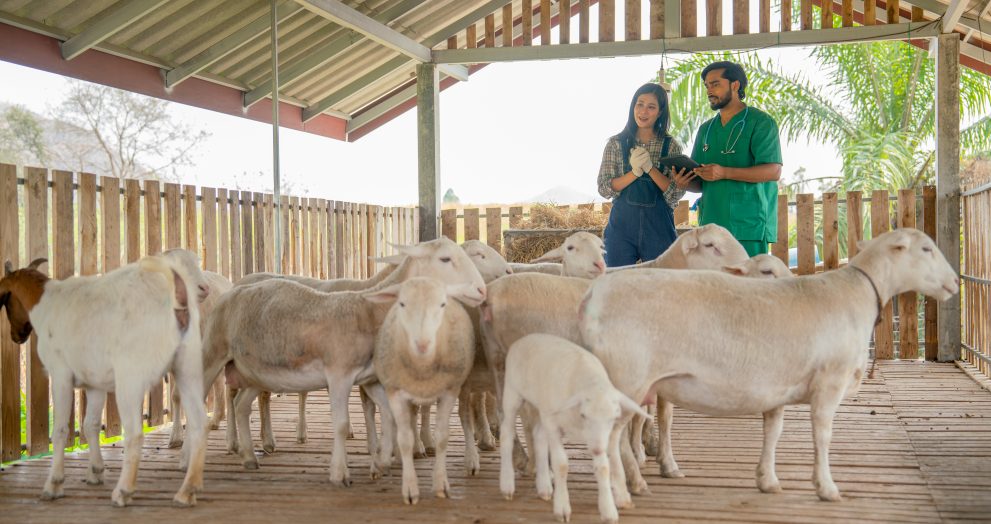
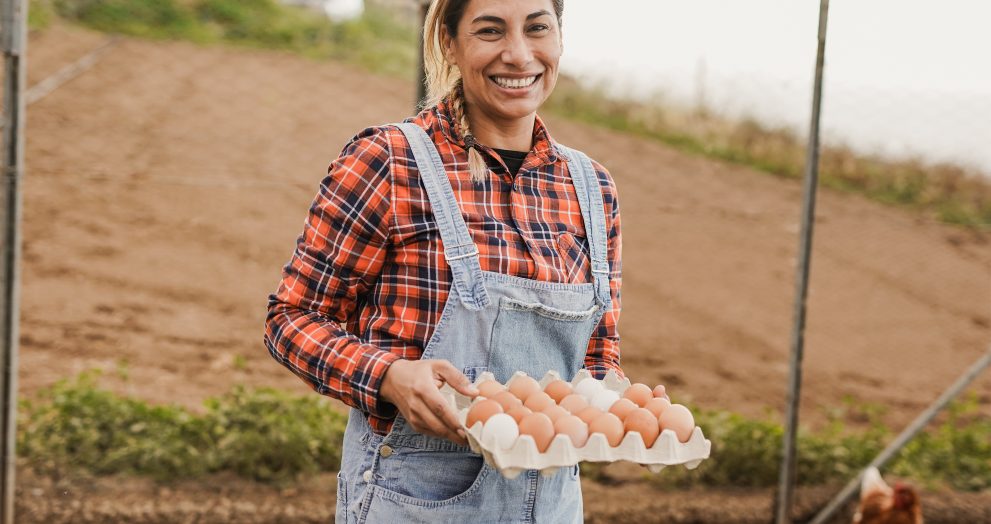
Nutritional Advantages of Zabiha Meat

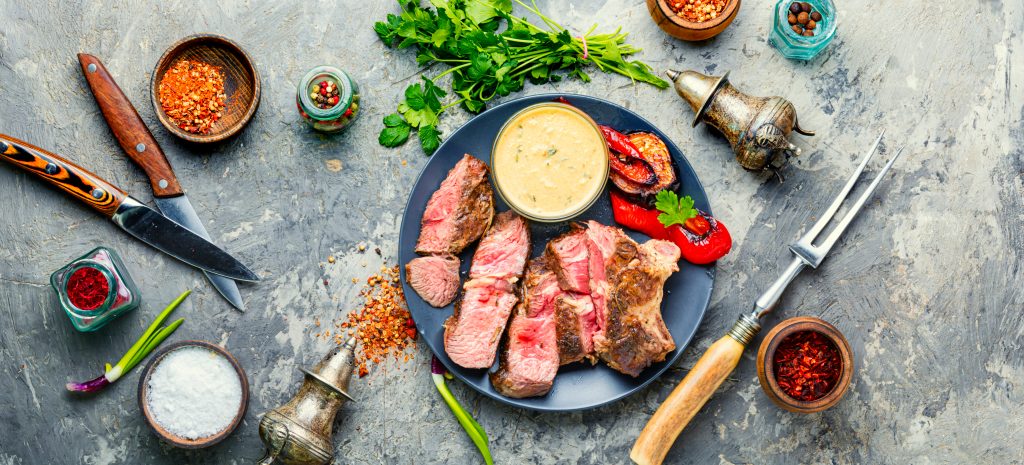
Zabiha meat is more than a religious requirement for Muslims—it is also a healthy, wholesome, and nutritious choice. The method of slaughter, ethical raising of animals, and careful handling contribute to meat that is not only halal but also beneficial for physical health. Understanding the nutritional advantages of Zabiha meat helps consumers appreciate why this traditional practice remains relevant and valuable in modern diets.

How Zabiha Meat Supports Sustainable Farming

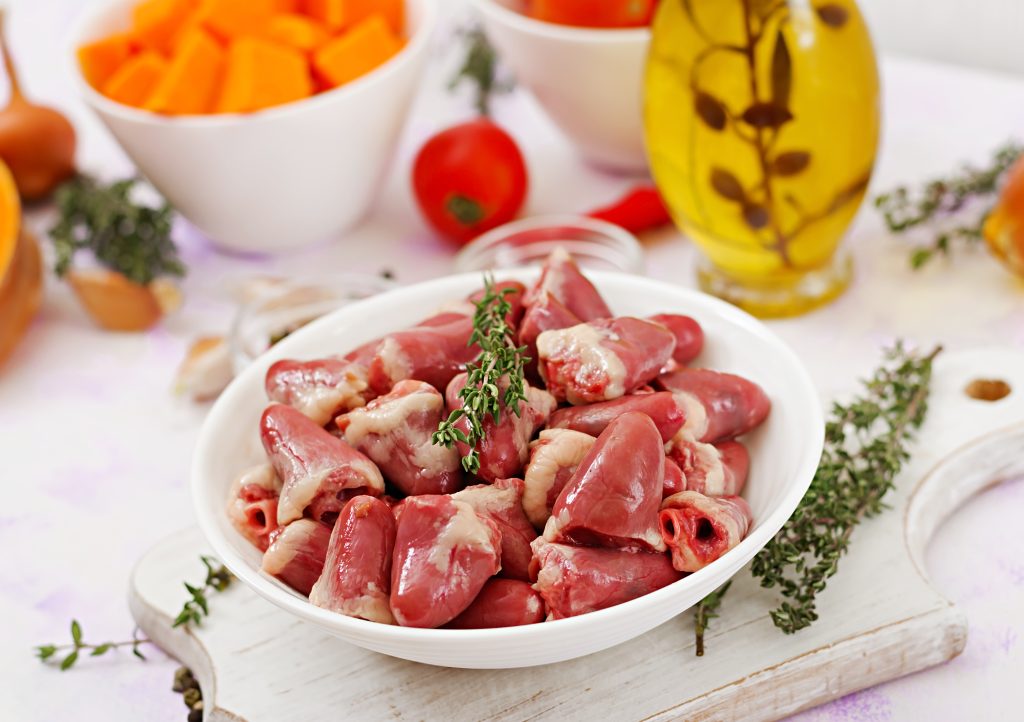
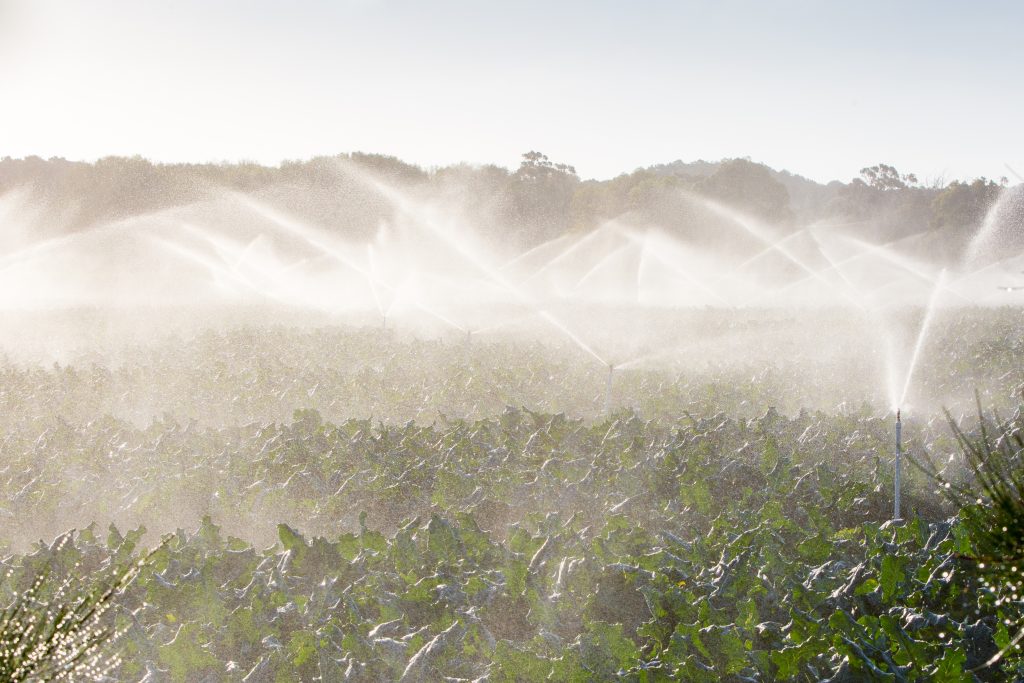
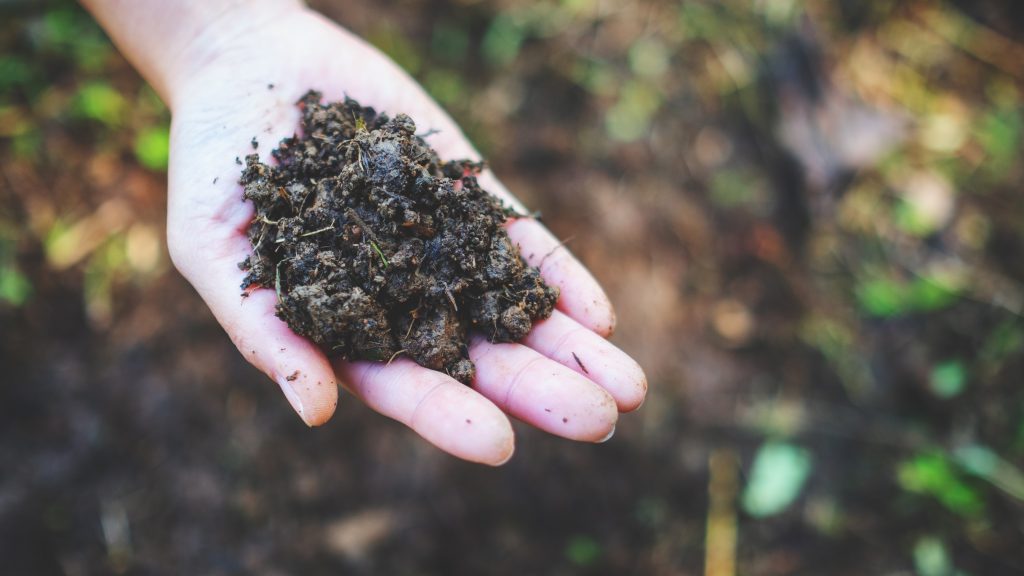
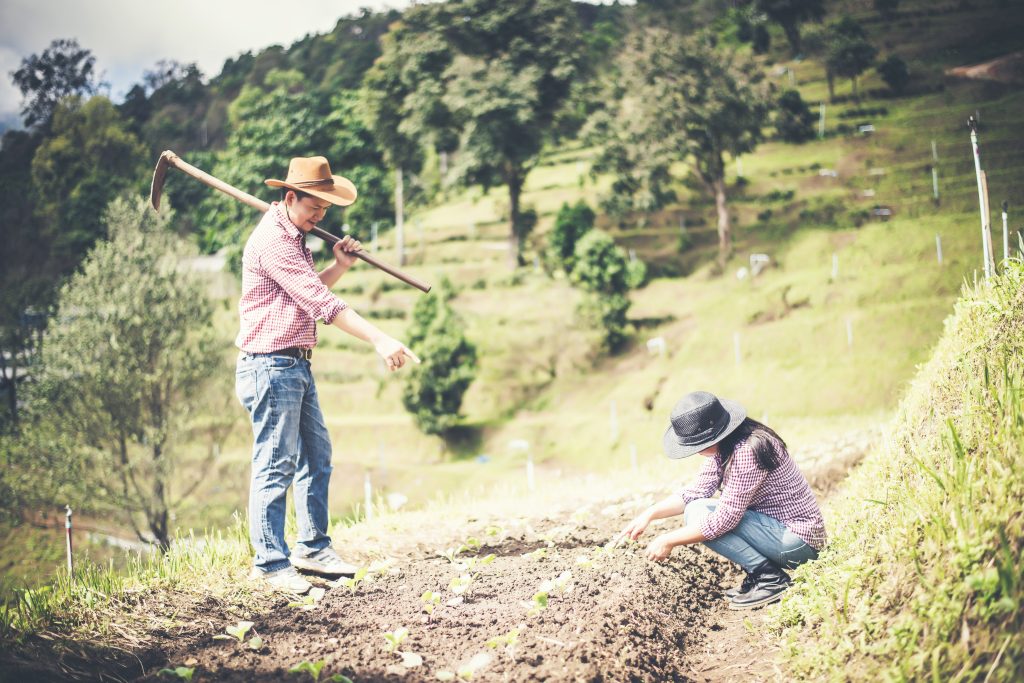
Zabiha meat is widely recognized for its religious, ethical, and nutritional significance. Beyond these qualities, it also plays an important role in supporting sustainable farming practices. By integrating humane animal treatment, responsible feeding, and ethical slaughtering, Zabiha aligns closely with modern sustainability principles, ensuring that food production is both environmentally and socially responsible.

From Farm to Your Plate: The Zabiha Farms Story

Every bite of meat tells a story—of care, tradition, and trust. At Zabiha Farms, our mission is simple yet profound: to provide halal, wholesome, and ethically sourced meat directly from our farms to your plate. Our commitment goes beyond food; it reflects faith, ethical responsibility, and sustainability, ensuring that every meal nourishes both body and soul.

How We Source Our Animals

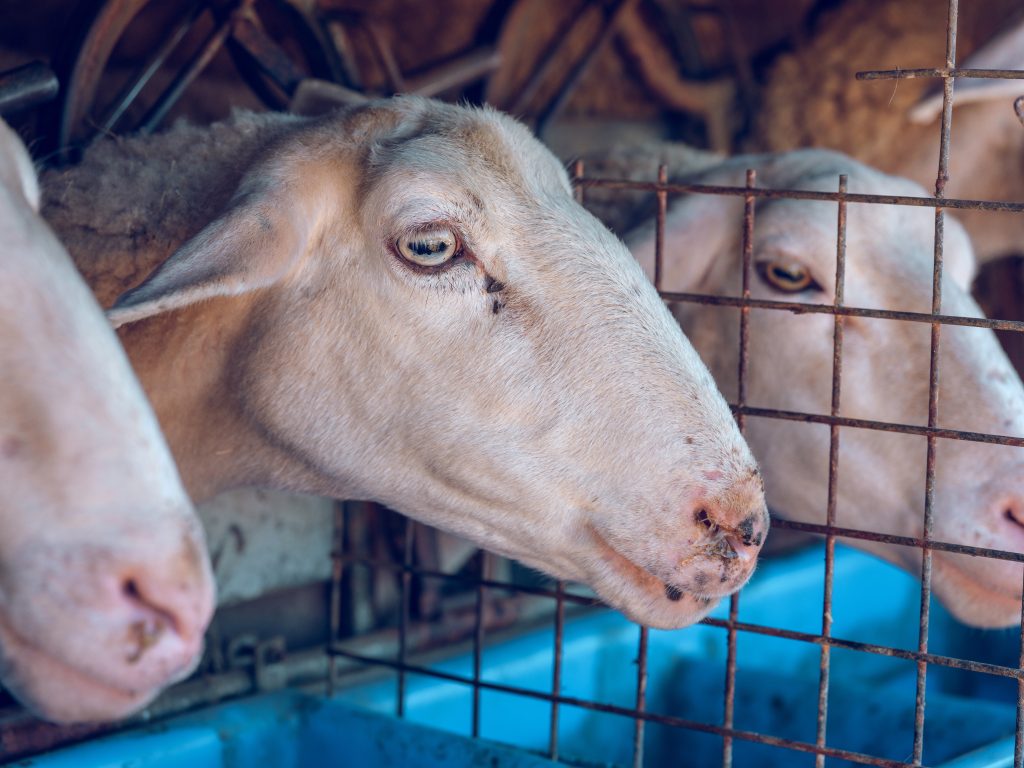
At Zabiha Farms, sourcing animals is more than a logistical step—it is a cornerstone of our commitment to ethics, quality, and halal integrity. From the farm to your plate, the journey begins with selecting the right animals that meet our high standards for health, welfare, and ethical treatment. Every decision in sourcing reflects our dedication to trustworthy, wholesome, and sustainable meat.

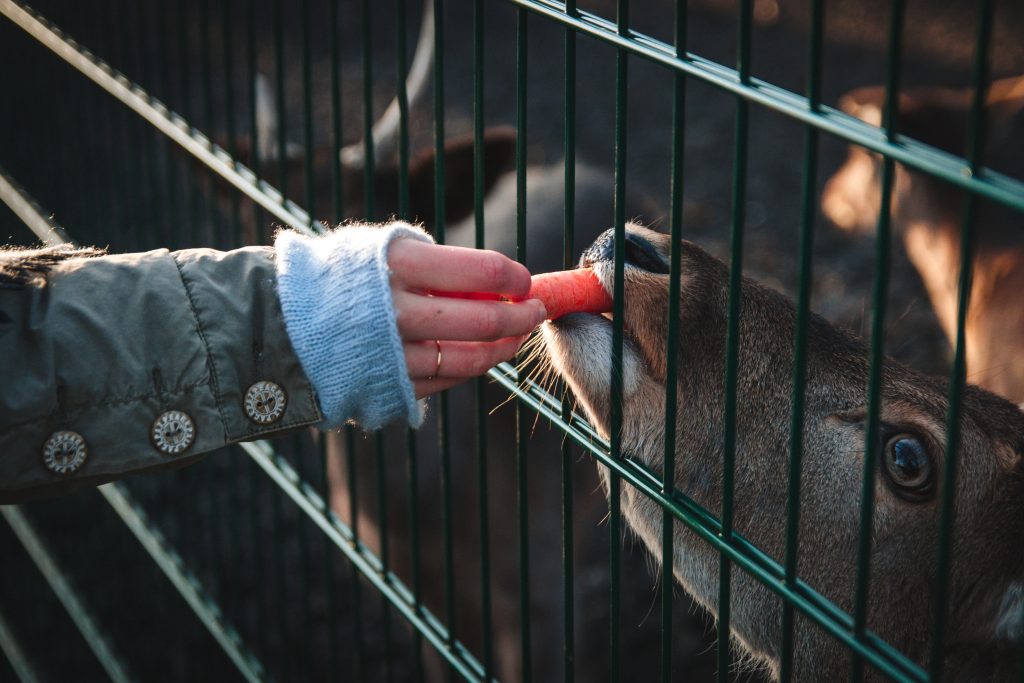
Humane Practices at Zabiha Farms

At Zabiha Farms, our commitment to halal meat goes beyond religious compliance—it is rooted in ethics, compassion, and respect for all living beings. Humane practices are central to everything we do, from raising animals to slaughtering and processing meat. By prioritizing the well-being of animals, we not only adhere to Islamic principles of Zabiha but also ensure healthier, safer, and more nutritious meat for our consumers.

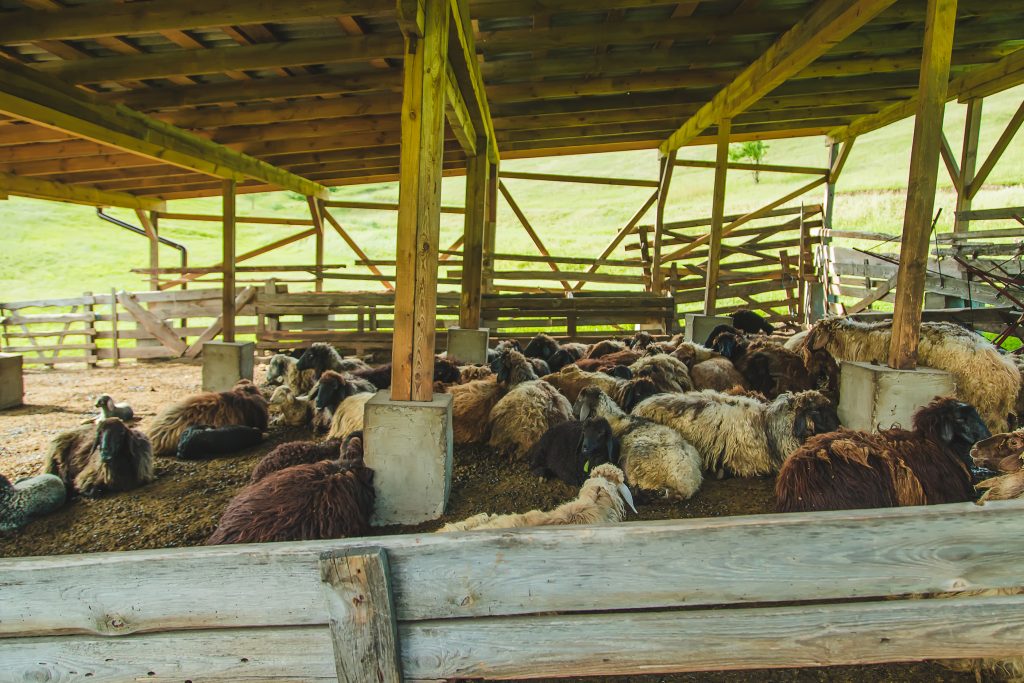
Daily Life of Our Livestock at Zabiha Farms

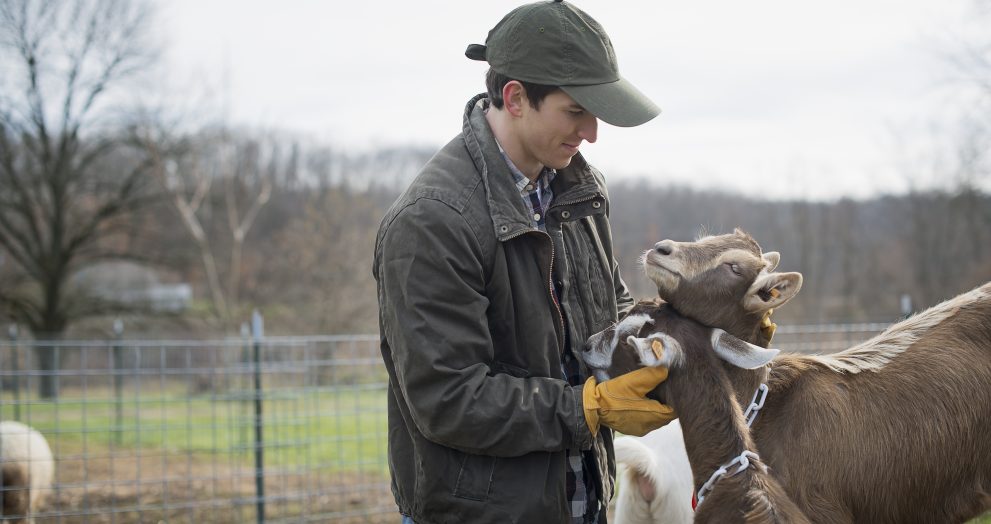
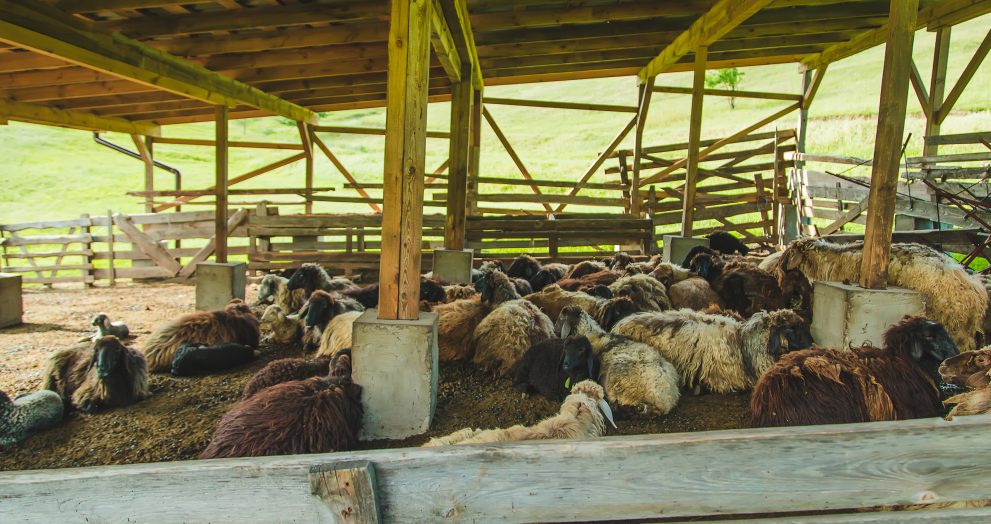
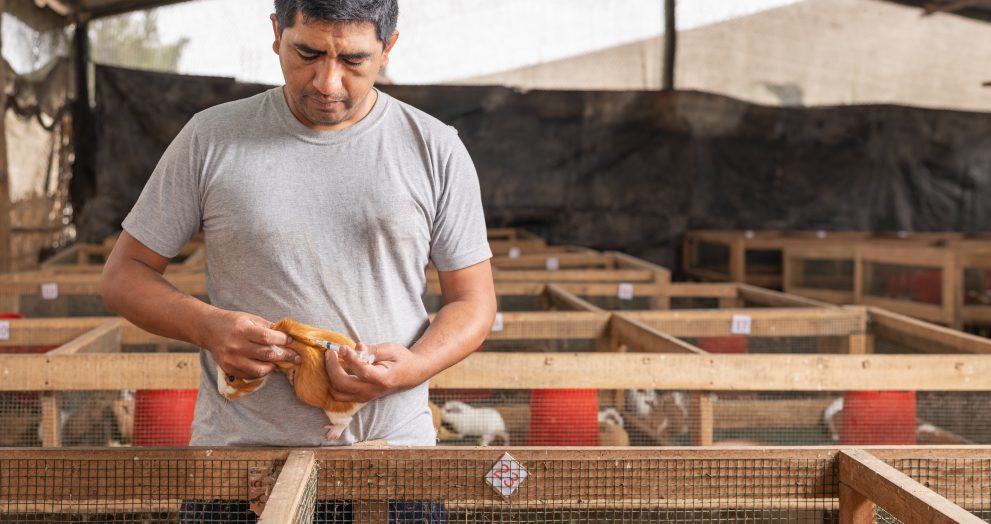
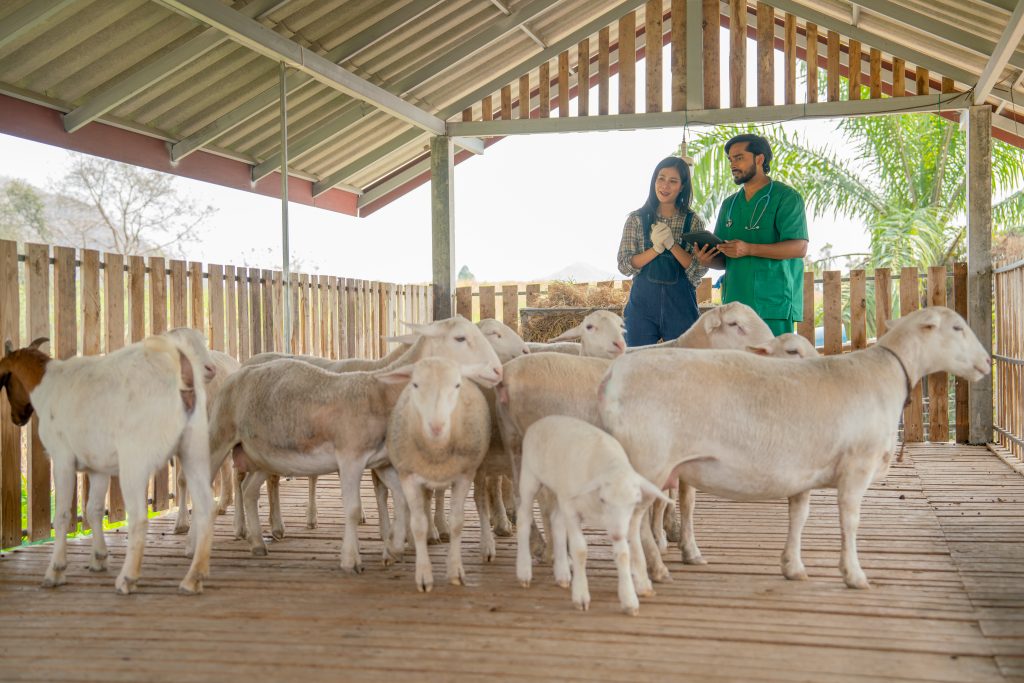
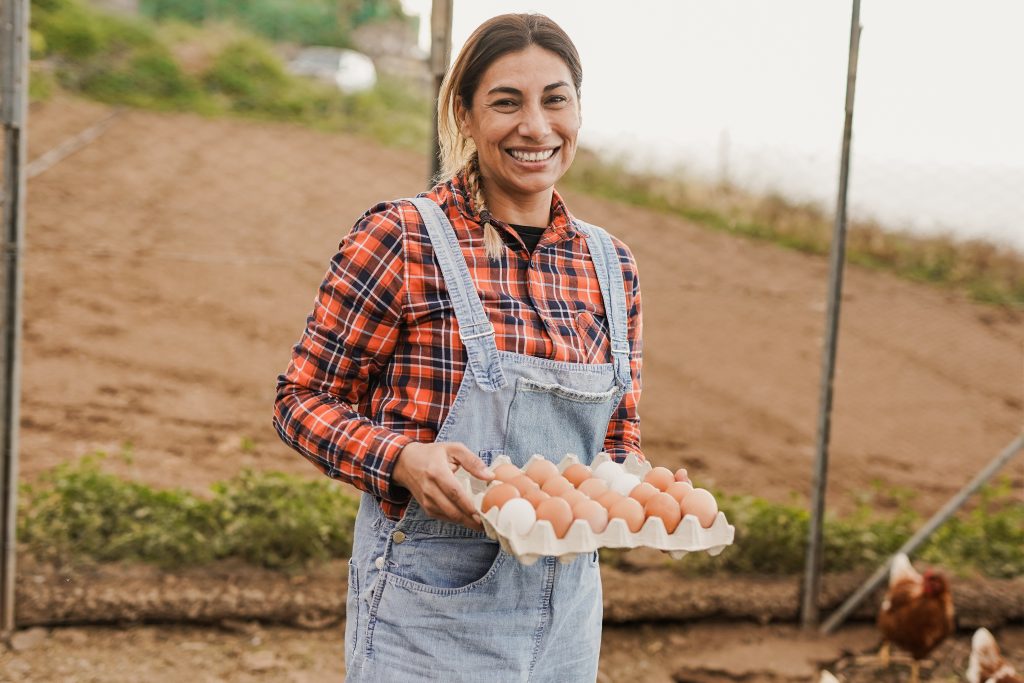
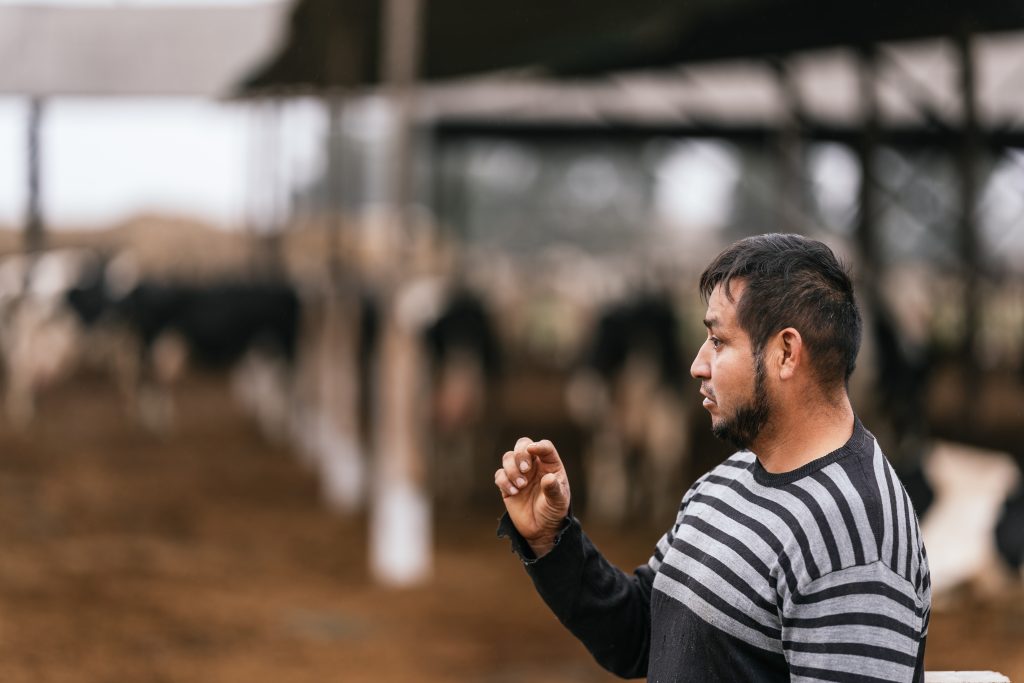
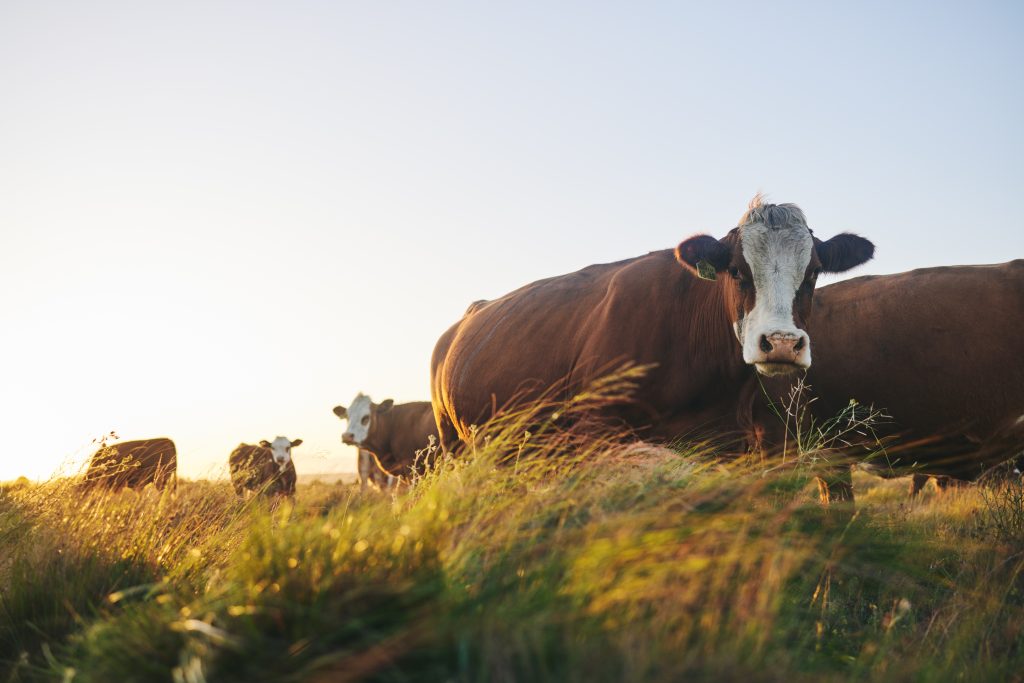
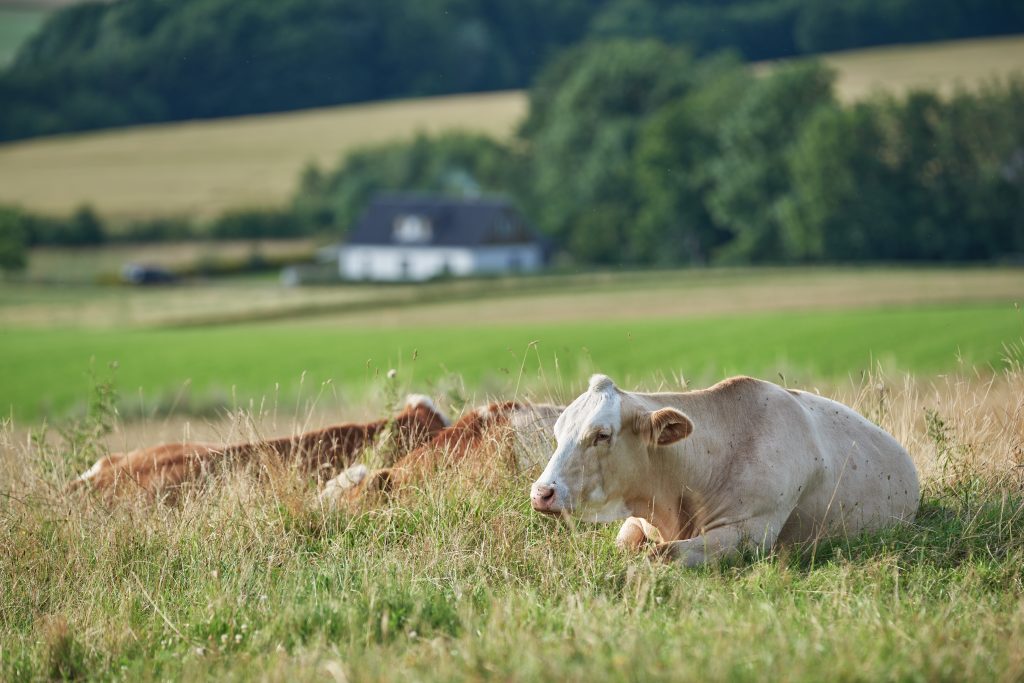
At Zabiha Farms, our commitment to halal meat goes hand in hand with ethical and humane care for our animals. Every day, our livestock experience an environment designed for health, comfort, and natural behavior, reflecting both faith-based principles and modern animal welfare practices.

Benefits of Ethical Animal Care

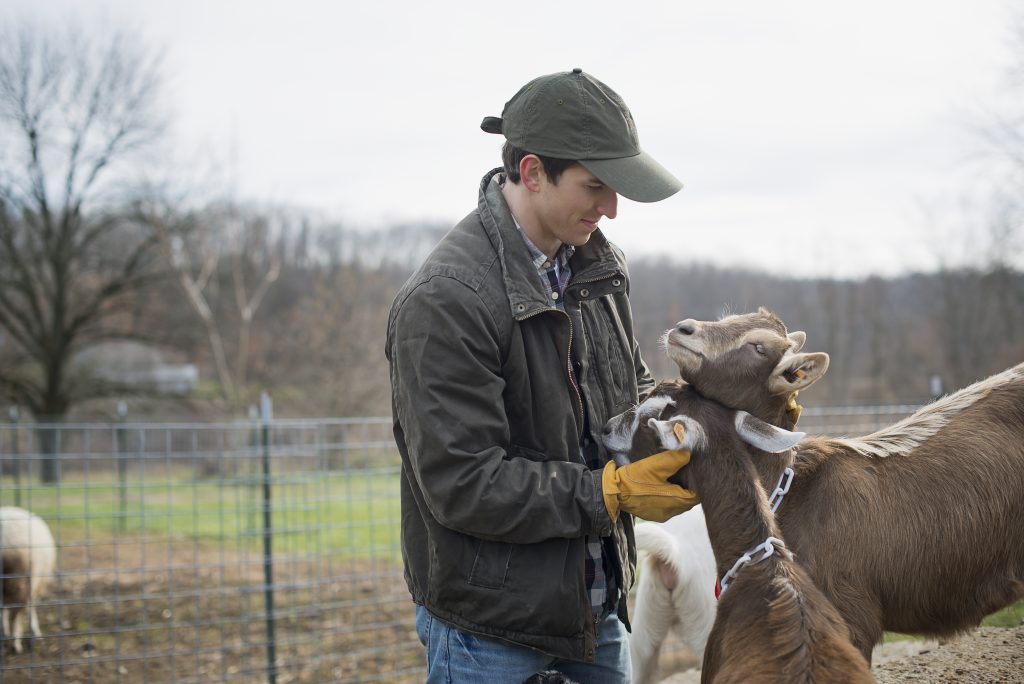
At Zabiha Farms, ethical animal care is more than a guiding principle—it is a core part of our mission to provide halal meat that is nutritious, safe, and responsibly sourced. Treating animals with compassion, respect, and integrity not only fulfills Islamic principles but also contributes to better meat quality, healthier livestock, and a sustainable environment.

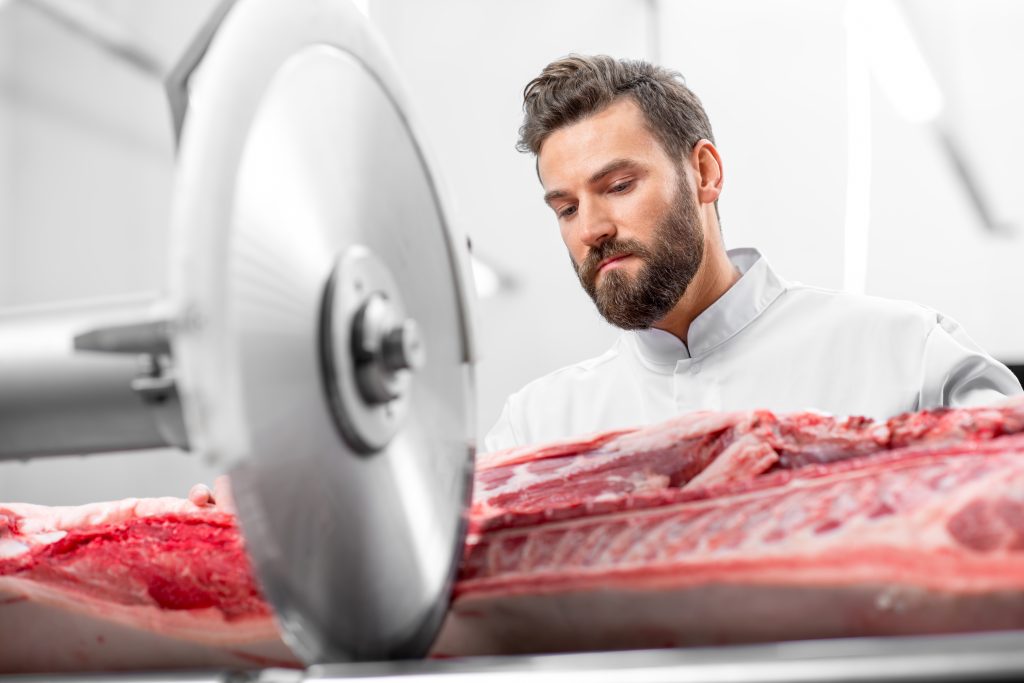
How We Ensure Freshness in Every Cut

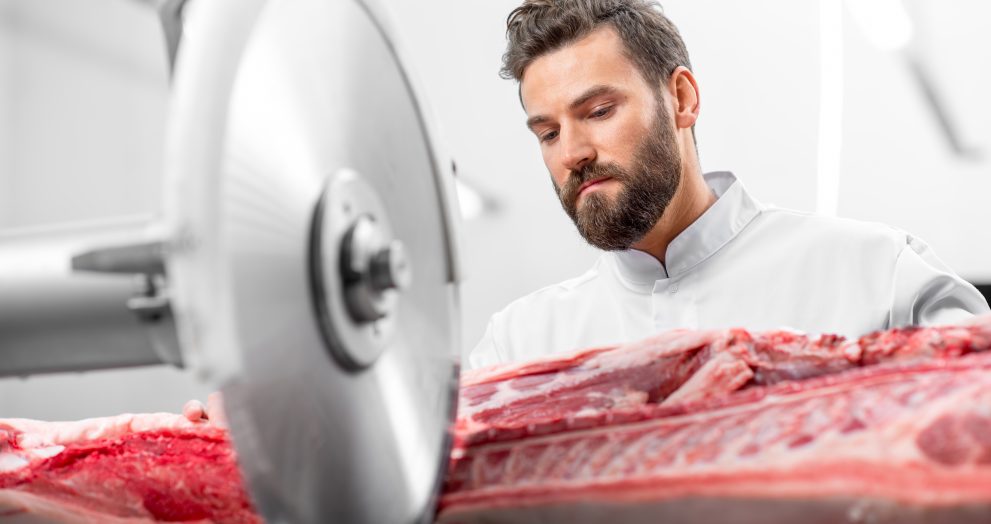
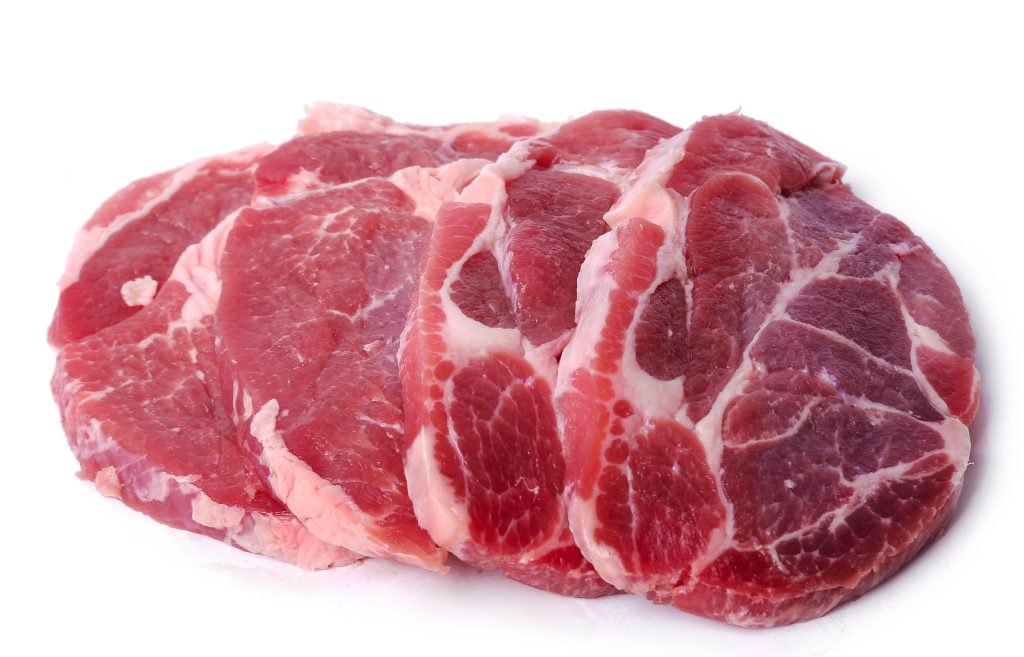
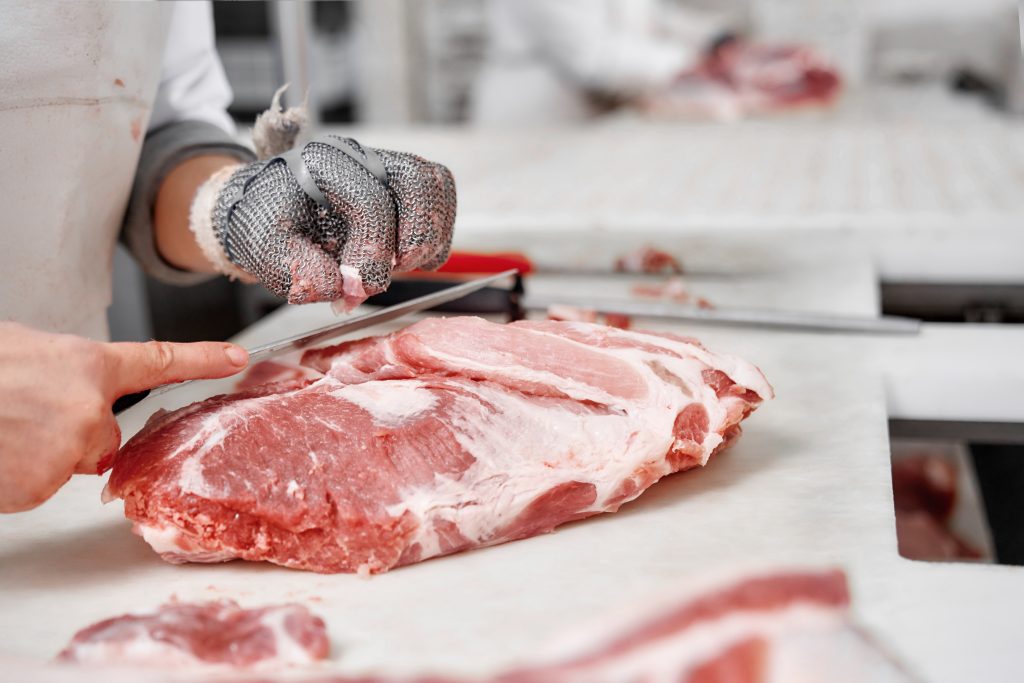
At Zabiha Farms, freshness is not just a standard—it is a promise we make to our customers. Every cut of meat that reaches your plate reflects our commitment to quality, hygiene, and ethical handling, ensuring that it is nutritious, safe, and full of flavor.

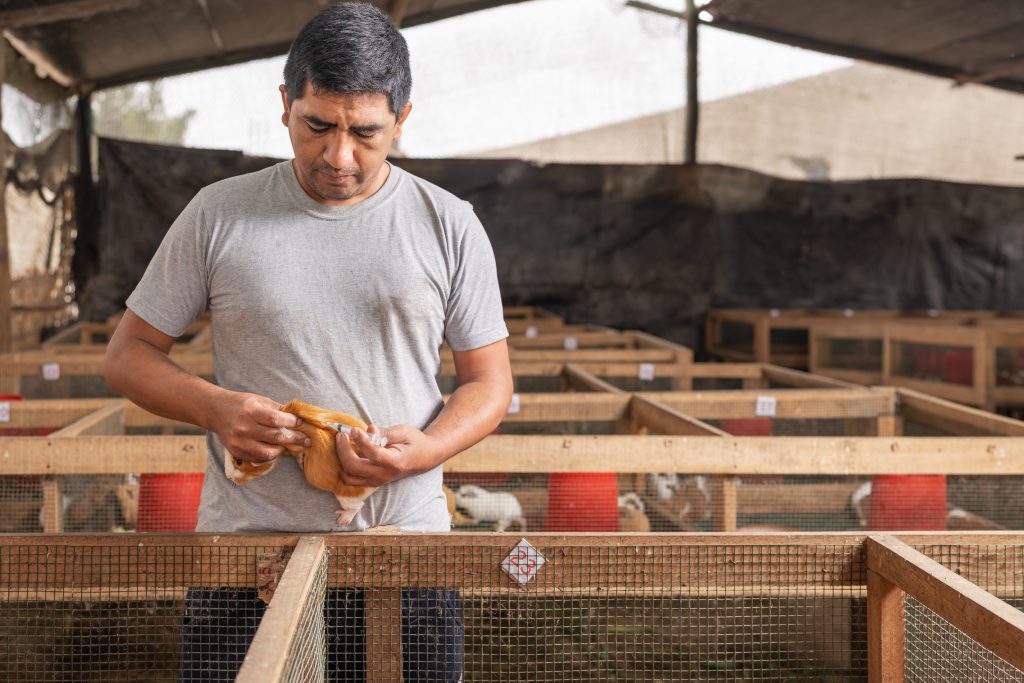
Testing for Safety and Purity at Zabiha Farms

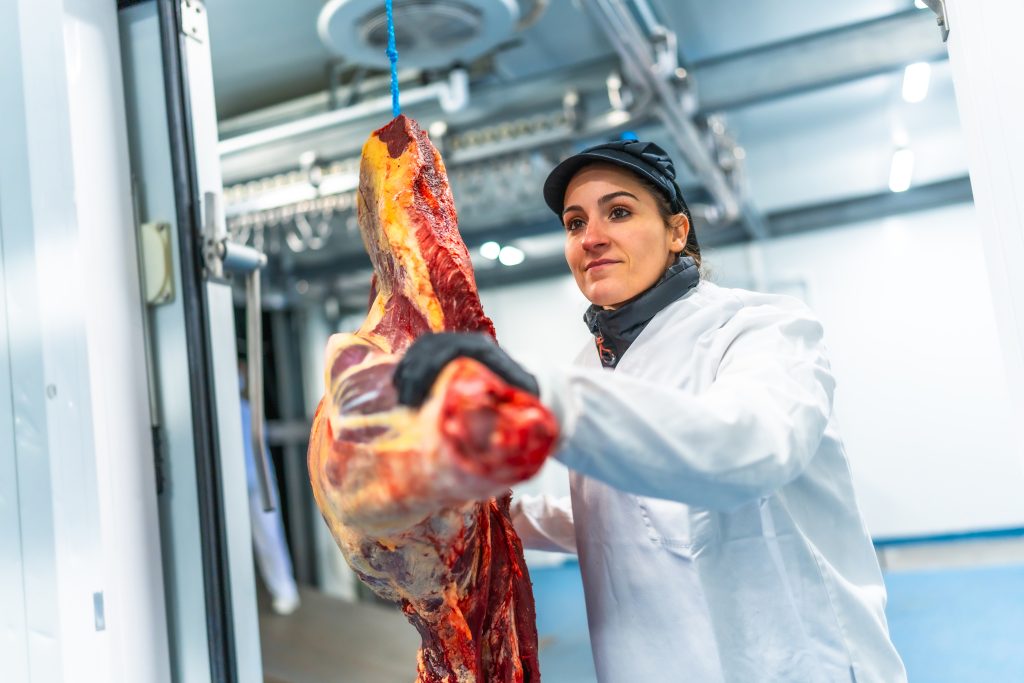
At Zabiha Farms, providing halal meat is only part of our commitment to consumers. Equally important is ensuring that every cut of meat meets the highest standards of safety and purity. Testing for safety and purity is a rigorous process that guarantees that meat is free from harmful contaminants, disease, and impurities, while remaining fully halal.