

















Halal Food and Spiritual Well-being

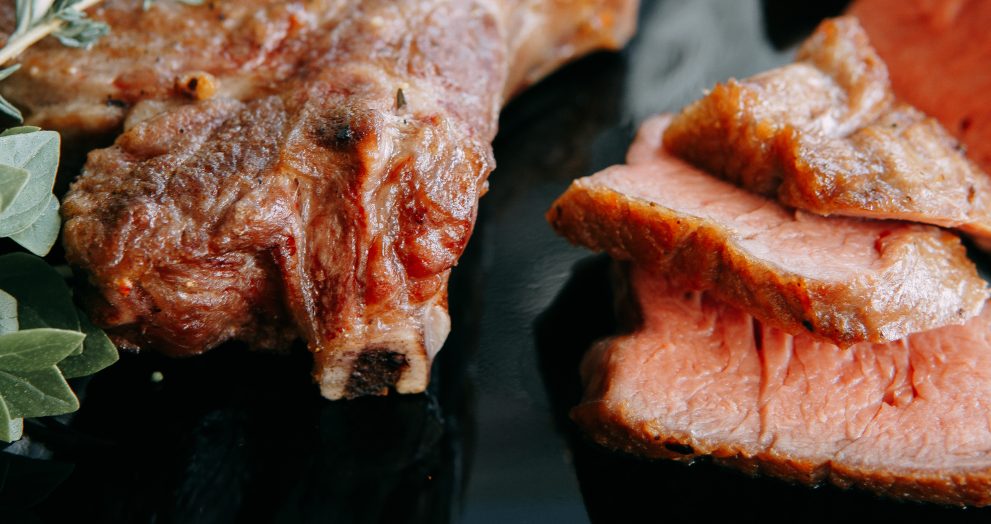
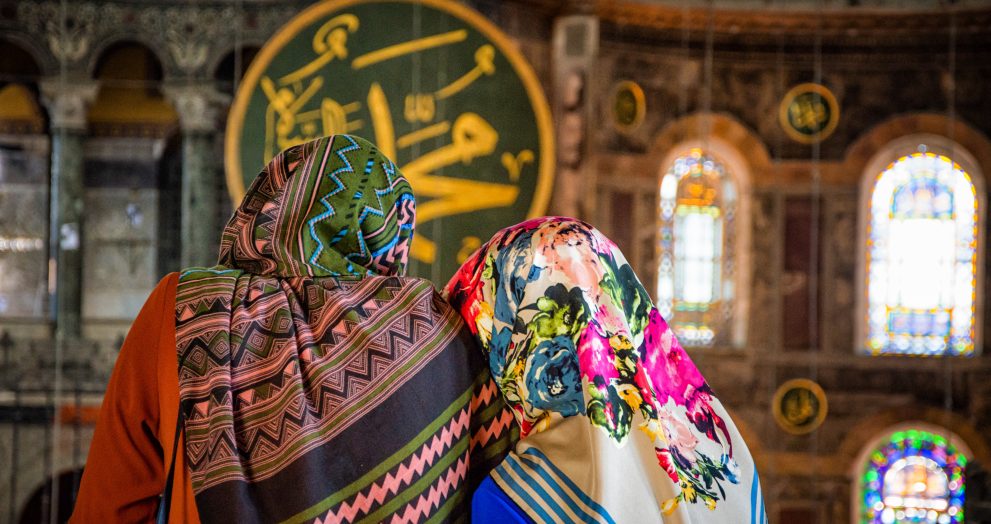
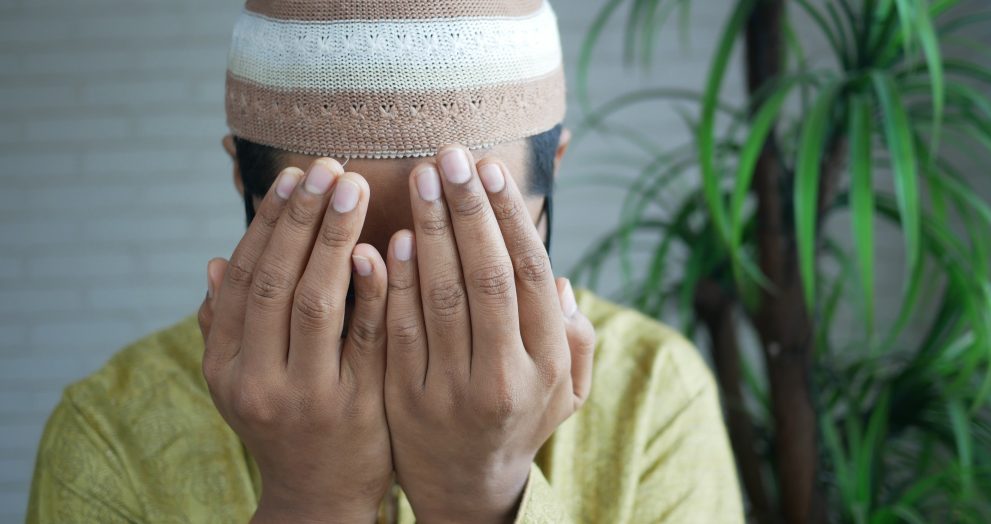
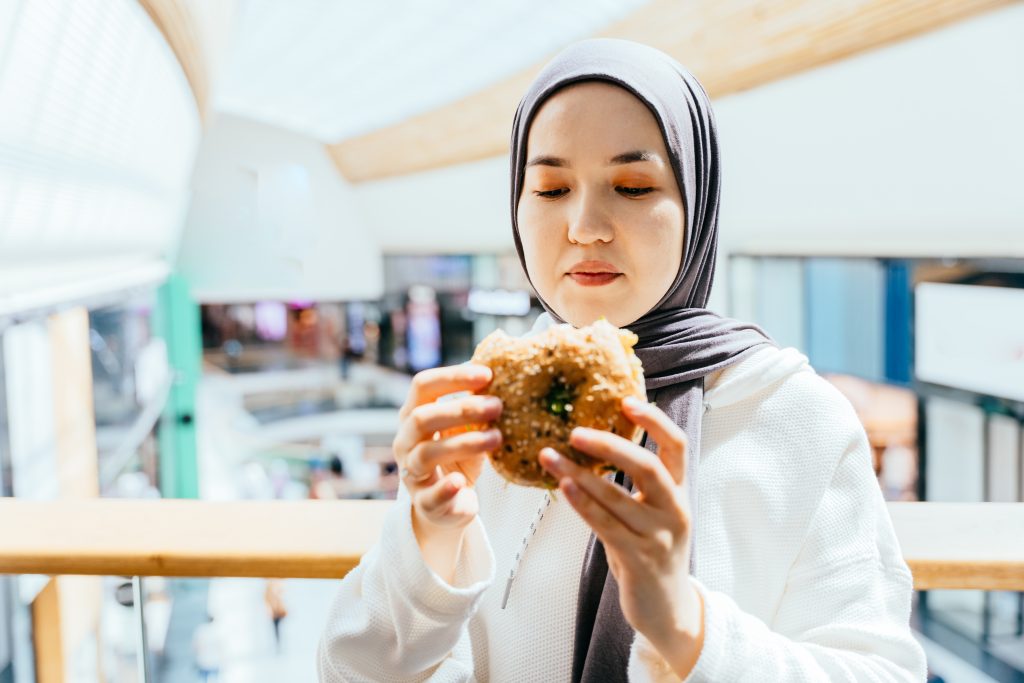
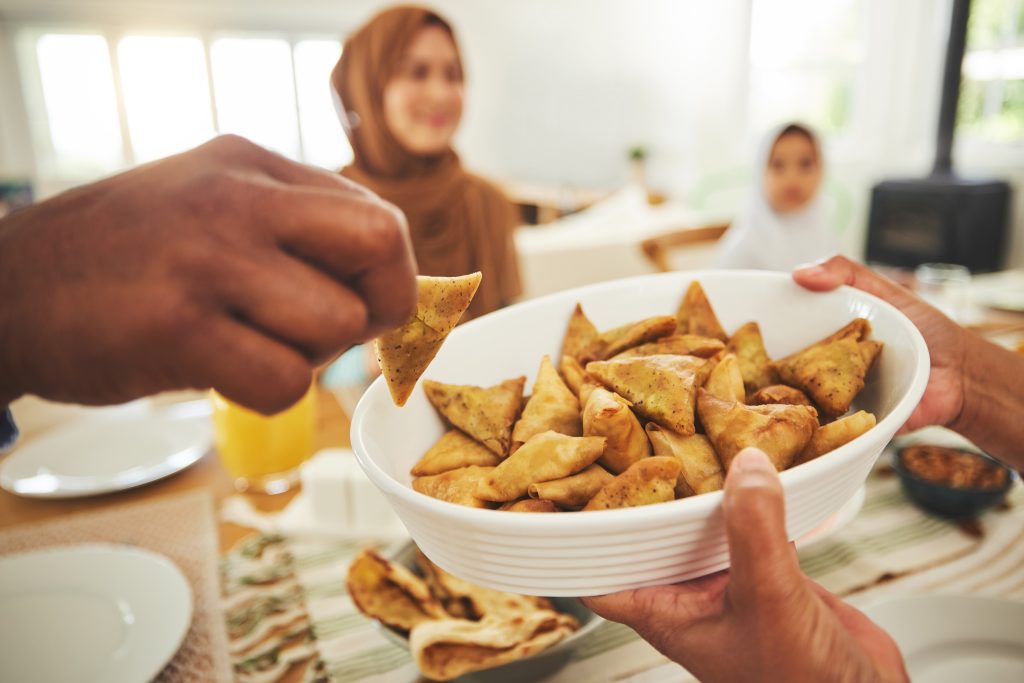
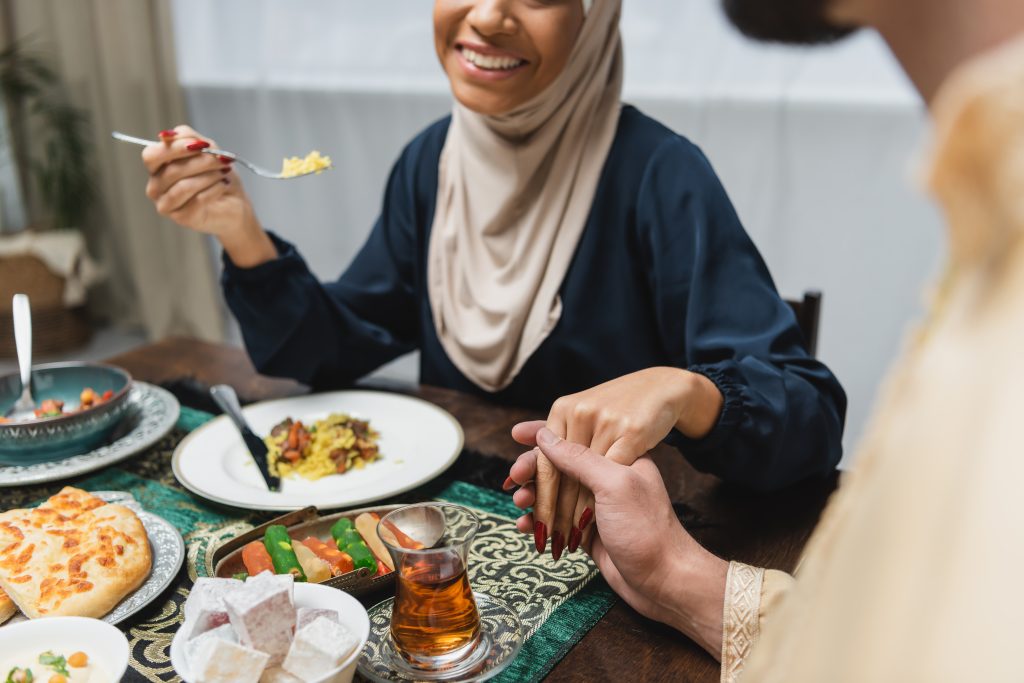
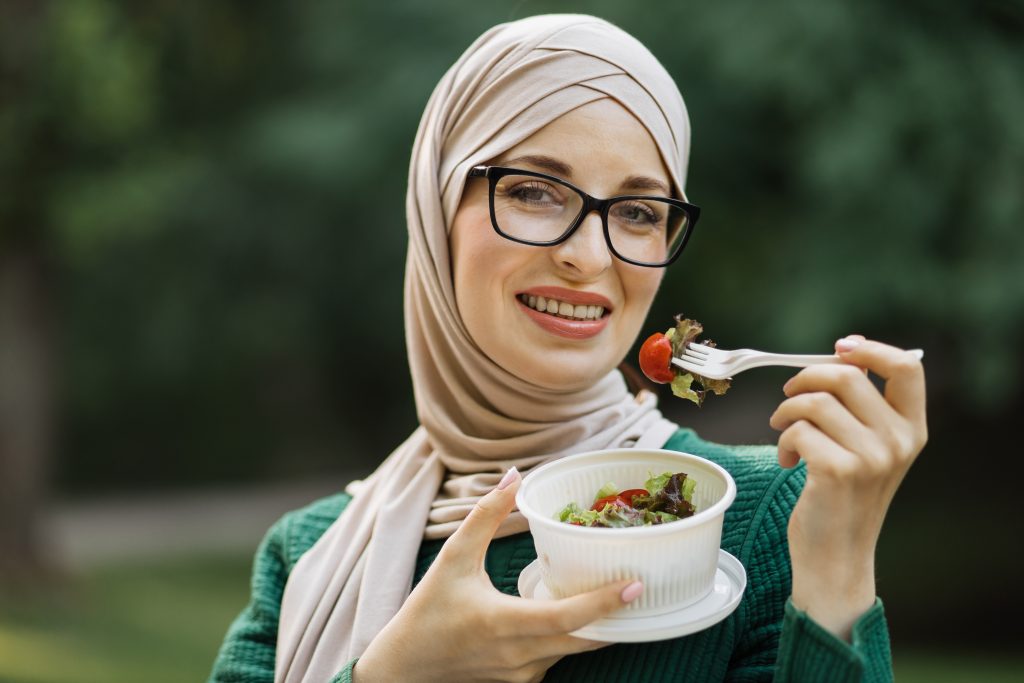
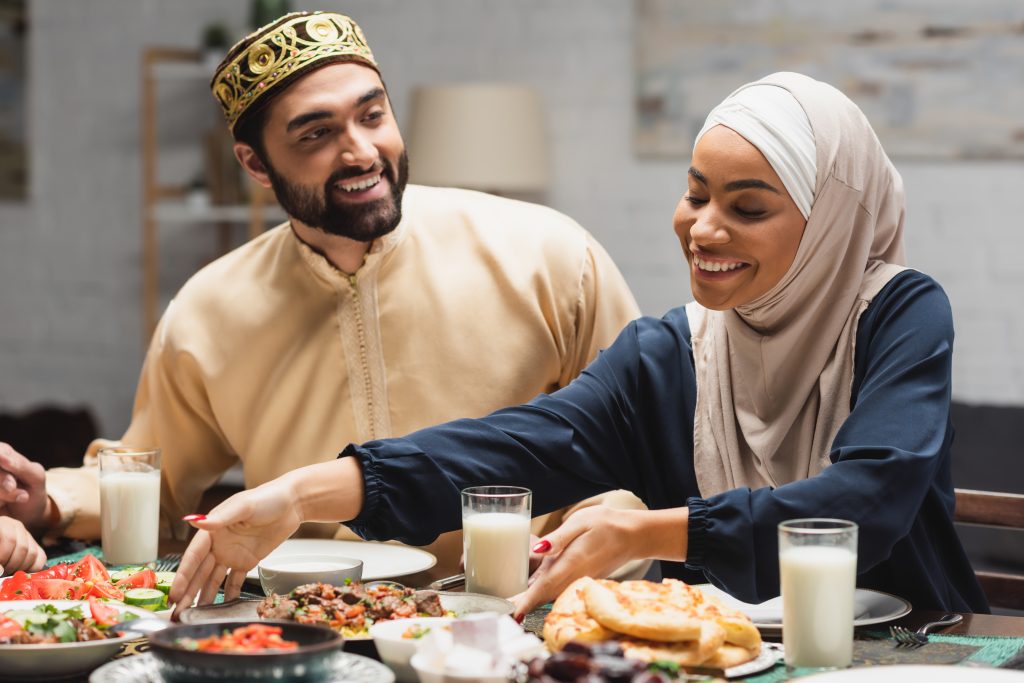
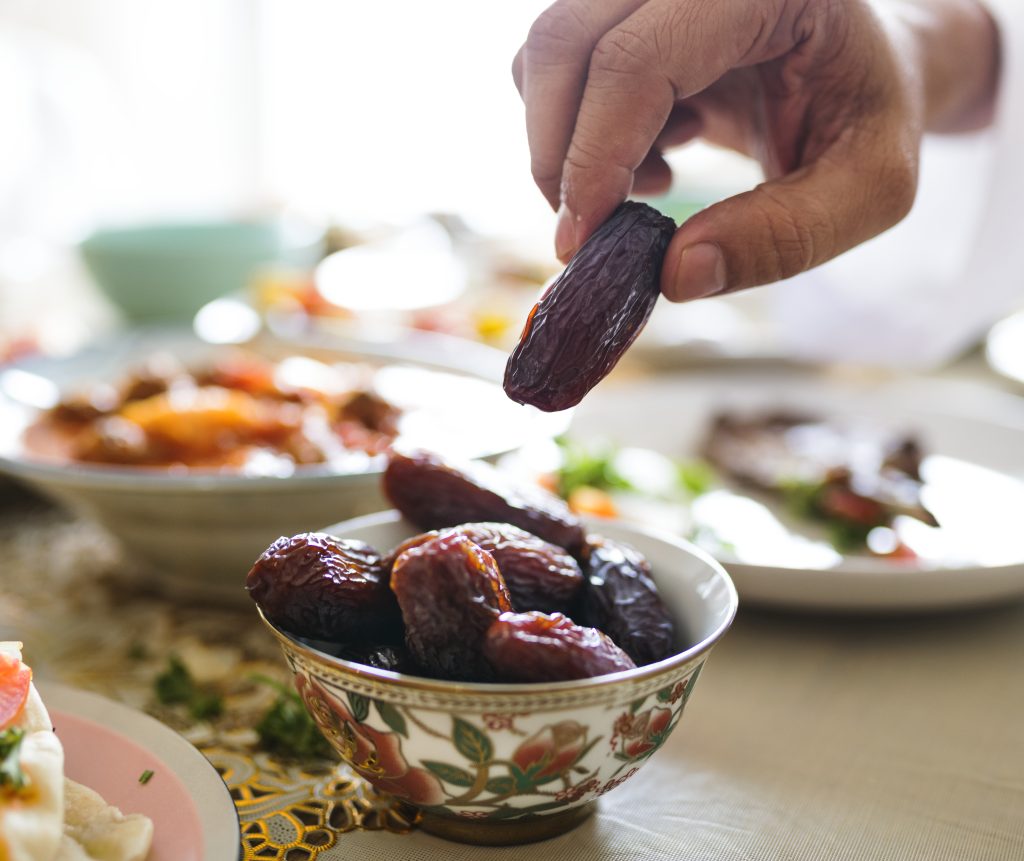
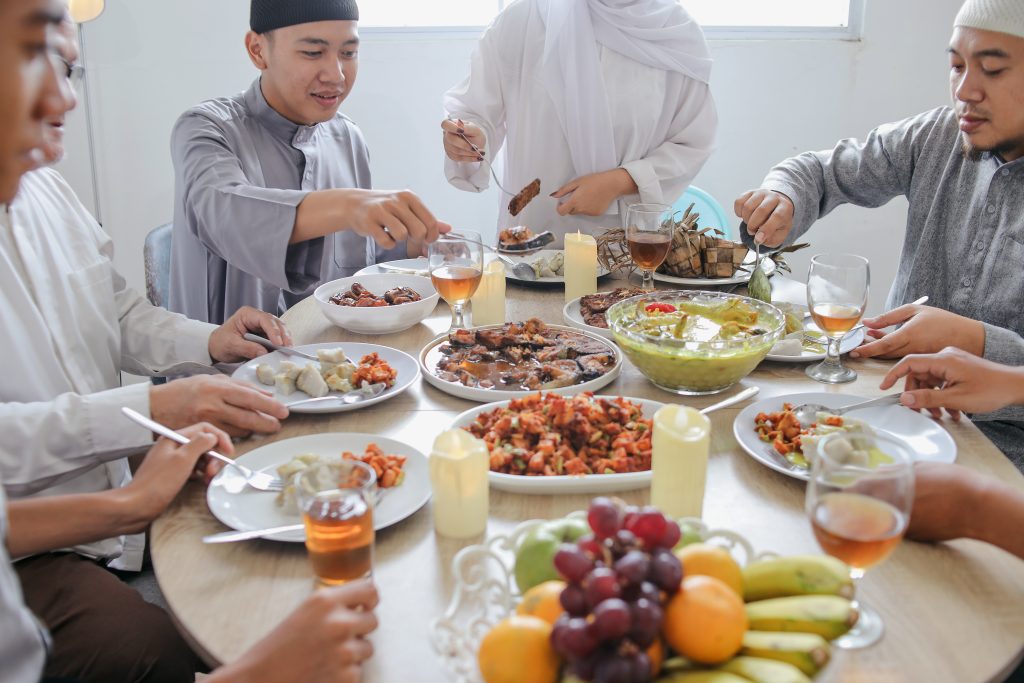
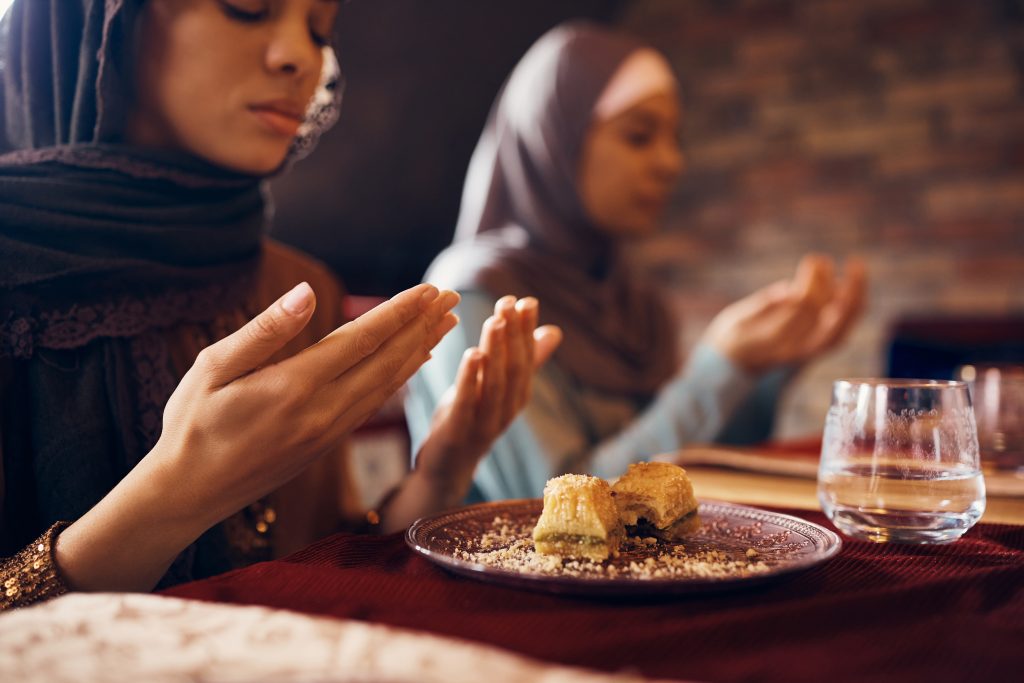
In Islam, the concept of health extends far beyond the physical body—it encompasses the mind, soul, and overall spiritual well-being. One of the key ways to achieve this holistic health is through the food we consume. Halal food, which means “permissible” in Arabic, is not only a dietary requirement but also a spiritual practice that aligns daily life with ethical, moral, and religious principles. Eating halal food is an act of mindfulness and obedience to God, fostering both physical health and spiritual balance.

Global Halal Food Trends: What’s Shaping the Future of Halal Consumption

The halal food market is no longer a niche category limited to Muslim consumers — it has become a global powerhouse, reshaping food production, retail, technology, and consumer behavior around the world. With the halal sector projected to grow significantly over the next decade, trends in consumer demand, innovation, sustainability, and inclusivity are driving major transformations across the food industry. In this blog, we explore the key global halal food trends that are defining the present and future of halal consumption. Market Growth Reports+1

Key Differences Between Zabiha and Non-Zabiha Meat

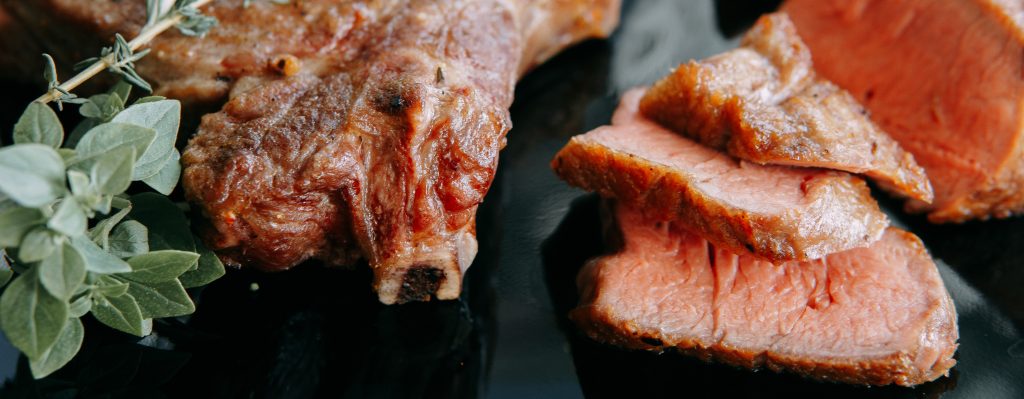
As awareness around halal food continues to grow globally, more consumers are asking an important question: What is the real difference between Zabiha and non-Zabiha meat? While the distinction is deeply rooted in Islamic teachings, it also extends to ethics, hygiene, health, and food quality. Understanding these differences helps consumers make informed choices—not only for religious reasons but also for physical and ethical well-being.

How to Identify Proper Zabiha Meat

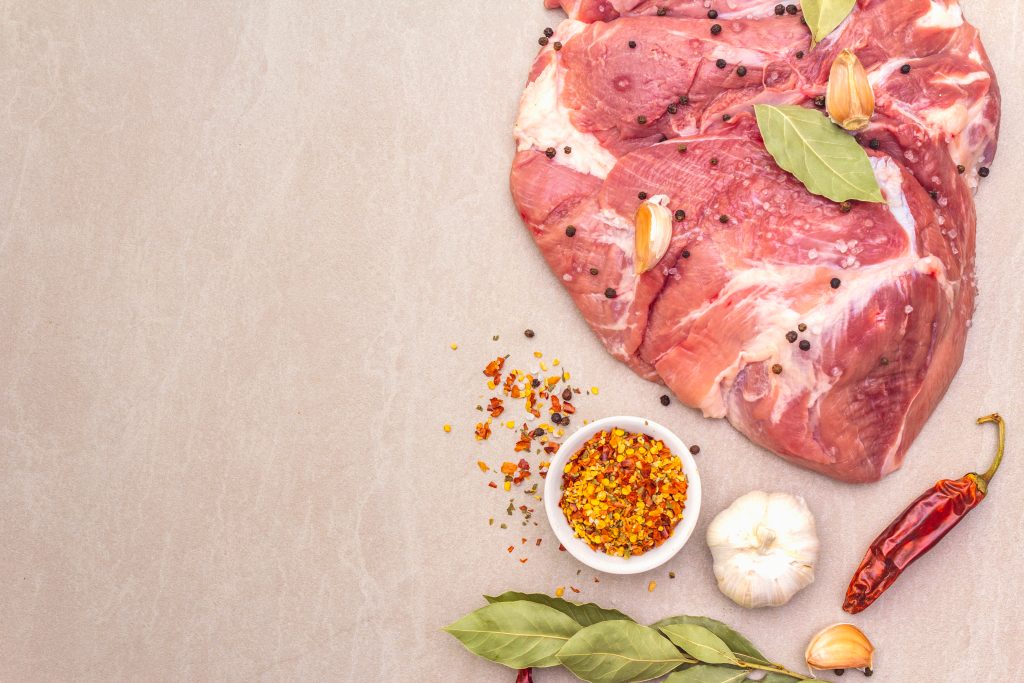
With the growing availability of halal-labeled products in markets worldwide, many consumers assume that all “halal” meat is the same. However, this is not always true. Proper Zabiha meat follows strict Islamic guidelines that go beyond labels and packaging. Understanding how to identify authentic Zabiha meat is essential for Muslims who want to ensure religious compliance, as well as for consumers who value ethical, clean, and high-quality food.

Common Myths About Zabiha

As halal food becomes more widely available across the world, discussions around Zabiha meat have also increased. Unfortunately, along with awareness, many misconceptions and myths have spread—some due to lack of knowledge, others due to misinformation. These myths often create confusion not only among non-Muslims but also within Muslim communities trying to make informed halal choices.

History and Meaning of Zabiha

Zabiha is more than a method of slaughter—it is a cornerstone of Islamic dietary law, ethics, and spirituality. For centuries, Muslims around the world have adhered to Zabiha as part of their faith, ensuring that the food they consume is not only permissible but also wholesome, ethical, and pure. Understanding the history and meaning of Zabiha provides insight into its importance in daily life, religious observance, and contemporary halal practices.

Why Zabiha is Required in Islam

For Muslims, following halal dietary guidelines is an essential aspect of faith, and Zabiha meat holds a central role in ensuring that meat consumption aligns with Islamic principles. Zabiha is not merely a ritual; it is a divinely mandated practice that combines obedience, ethics, hygiene, and spirituality. Understanding why Zabiha is required in Islam helps believers appreciate the reasoning behind this practice, beyond simply following rules.

Common Misunderstandings About Zabiha

Zabiha, the Islamic method of slaughtering animals for consumption, is a fundamental aspect of halal eating. However, despite its long history and spiritual significance, many myths and misunderstandings about Zabiha continue to circulate. These misconceptions can create confusion among Muslims trying to make informed dietary choices and among non-Muslims who are curious about halal practices.

Step-by-Step Guide to Zabiha Slaughter

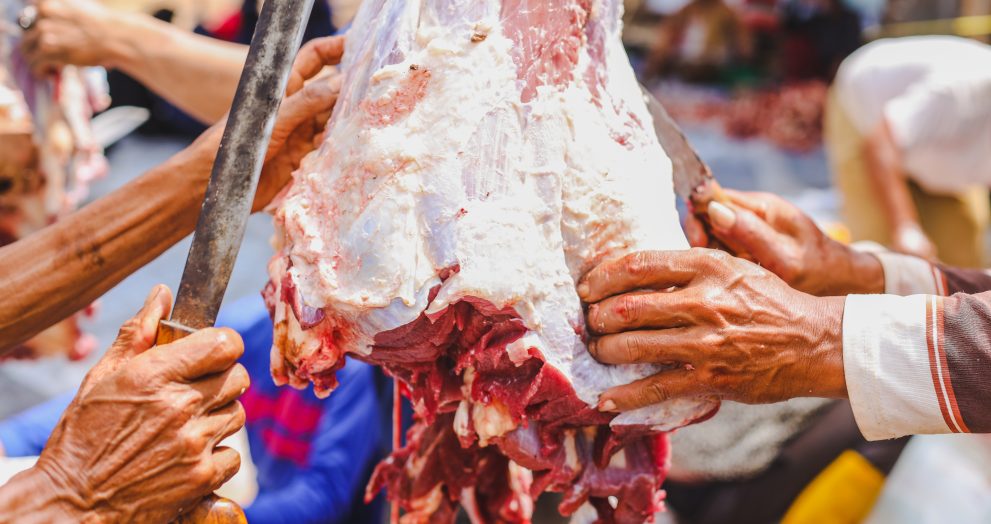
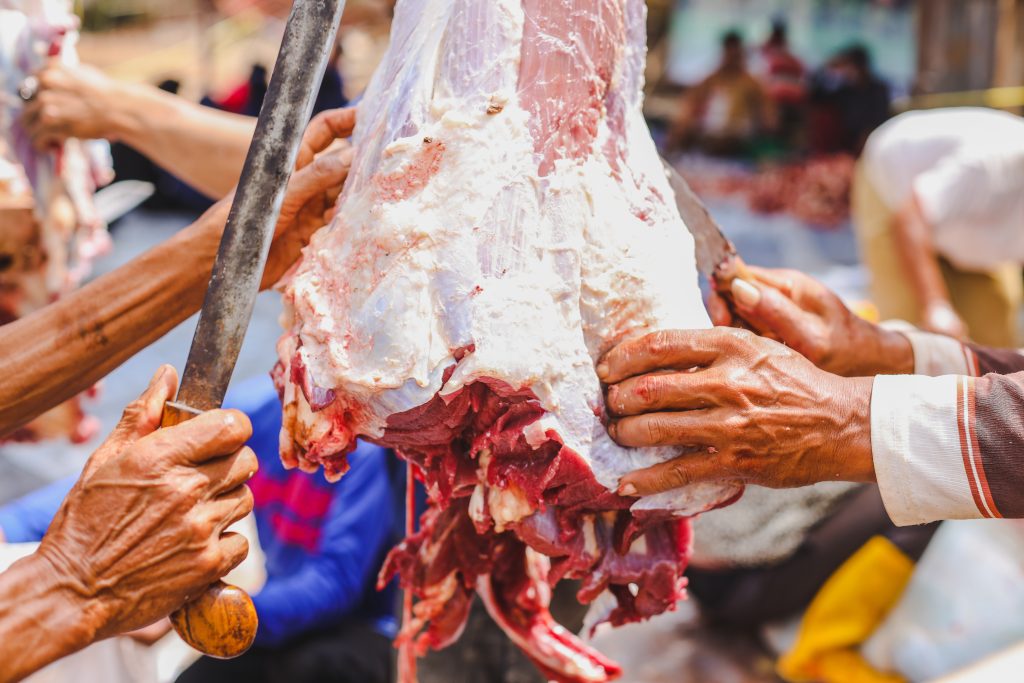
Zabiha is the Islamic method of slaughtering animals, ensuring that meat is halal, ethical, and wholesome. Beyond simply following a ritual, Zabiha reflects obedience to Allah, compassion for animals, and attention to hygiene and health. Whether you are a consumer seeking understanding or a student of Islamic practices, knowing the steps of Zabiha helps clarify its importance and ensures adherence to its principles.

How Zabiha Slaughter Ensures Hygiene

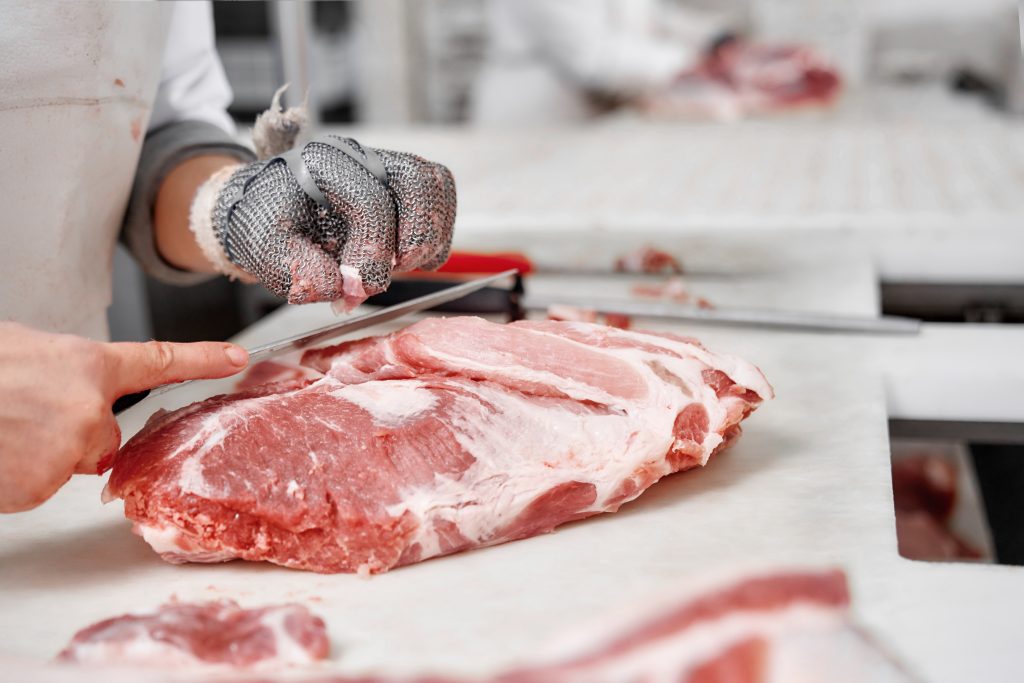
Zabiha, the Islamic method of slaughter, is a practice that goes beyond religious obligation—it also ensures the safety, cleanliness, and quality of meat. Muslims worldwide choose Zabiha meat not only because it is halal but also because of its emphasis on hygienic, ethical, and wholesome practices. Understanding how Zabiha slaughter promotes hygiene clarifies why this tradition has remained relevant for centuries and continues to be a preferred method of meat preparation today.